Sanae Takaichi's Political Gamble: Can Japan's New PM Revive Its Economy?
Sanae Takaichi rolled the dice on a snap election, reaping the rewards with a stunning victory. Leading the Liberal Democratic Party (LDP), Takaichi has secured an impressive majority in Japan’s parliament, holding 316 of the 465 seats—a rare feat in recent times characterized by a revolving door of prime ministers.
The real question now is how she will leverage this power to inject new life into Japan's sluggish economy. Long plagued by problems including slow growth, an overwhelming public debt, and a shrinking workforce, the odds were stacked against her predecessor. Takaichi, however, stands at the cusp of a potential turning point.
Many observers believe she has the capacity to reshape the world’s fourth-largest economy, with Tomohiko Taniguchi, a policy adviser, asserting that, If successful, it will serve as a premier case study for ageing societies worldwide. Besides addressing economic struggles, Takaichi has promised to embrace more public spending—moving away from previous administrations' cautious fiscal policies. This includes cutting taxes to increase consumer spending.
Despite her bold aspirations, uncertainty looms over how Takaichi plans to fund her ambitious initiatives, especially given the alertness of investors and the increase in Japan’s government bond yields since her ascension to office. The investment community’s reaction has been mixed, with reports indicating a 'Takaichi trade', as investors shift their strategies in response to her victory.
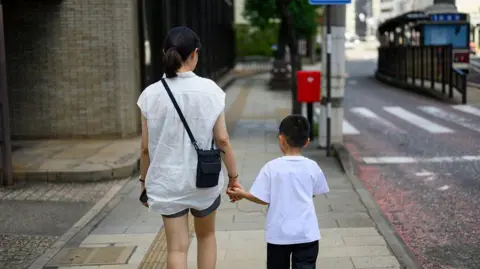
Furthermore, Japan's demographic challenges demand immediate attention. As the population ages and the labor market contracts, Japanese industry faces acute labor shortages, particularly in sectors such as agriculture and hospitality. While Takaichi has remained skeptical about significant immigration changes, she has hinted at utilizing technology and enhancing workforce participation among women and older citizens to remedy labor shortfalls.
On the international stage, Japan's relationship with China remains critical, especially as tensions over trade policies and supply chain vulnerabilities rise. In her approach, Takaichi has placed significant emphasis on reducing Japan's reliance on China and bolstering defense ties with the US—a complex balancing act crucial for Japan’s economic and strategic future.
While the optimism surrounding Takaichi's leadership may herald new growth, her path forward is fraught with challenges. Without decisive action on both domestic economic issues and international relations, the PM's promise to revitalize Japan may face daunting hurdles ahead.