Japan heads to the polls again on Sunday for its second general election in as many years. The snap vote has caught the ruling party, the opposition and much of the electorate off guard.
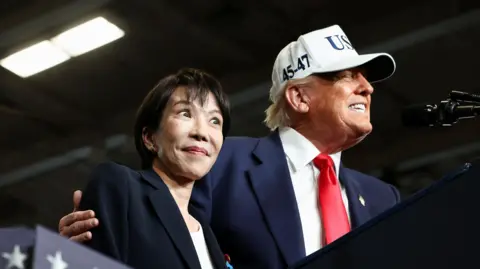
Sanae Takaichi, Japan's first female prime minister, is betting on her personal popularity, hoping to succeed where her party failed just last year: delivering a clear public mandate for the long-ruling but deeply unpopular Liberal Democratic Party (LDP).
It is a political gamble - one her predecessor, Shigeru Ishiba, made, and lost badly. Voters will now decide whether it will pay off.
The difference this time is that her approval across most media polls has been much, much higher than her predecessors, says Rintaro Nishimura, an analyst and senior associate at The Asia Group's Japan Practice.
Since taking office last October, Takaichi has dominated headlines through political performance rather than policy, emphasizing a mantra of work, work, work in her acceptance speech, reflecting an energized leadership image.
The snap election comes amid rising inflation and public concern regarding the cost of living, further complicated by criticism from opposition parties surrounding the timing. Observers note this election is a pivotal moment for Takaichi as she connects with a younger voting demographic while facing economic challenges and escalating tensions with China.
As Japan prepares for the election, the outcome remains uncertain and critical for the future direction of the LDP and Takaichi's leadership.