In brief
Russia has carried out a wave of ballistic missile and drone strikes on Ukraine, killing at least eight people and injuring dozens. The assault hit major Ukrainian cities – including Kharkiv, Kyiv, Zaporizhzhia and Sumy – and also struck a Turkish‑owned grain ship in the Black Sea. Ukrainian forces reported hitting three Russian oil tankers and three depots in the Stavropol region, striking back against the infrastructure that finances Russia’s war effort.
Russia unleashed a major ballistic missile and drone campaign against Ukrainian cities on 19 July 2026.
The assault killed eight civilians in Kharkiv, Kyiv, Zaporizhzhia and Sumy and wounded dozens more across the country. Ukrainian President Volodymyr Zelensky described the raid on Kyiv as "one of the most massive ballistic attacks" since the full‑scale invasion began in 2022.
A Turkish‑owned grain vessel in the Black Sea was hit by Russian missiles, killing five people and halting grain exports. Ukraine says it has struck back, hitting three Russian oil tankers, three oil depots in the southern Stavropol region and the Caspian Pipeline Consortium terminal that delivers Kazakh oil to Russia.
The Ukrainian defence system intercepted 18 out of 41 missiles and 108 drones launched during the overnight strike, according to the army. Kharkiv’s postal terminal suffered a missile impact, killing four men and leaving several injured in serious condition.
Zelensky’s Telegram report counted 1,450 drone strikes and 1,640 guided bombs in the past week. He praised Ukrainian forces for striking Russian "shadow fleet" tankers, aiming to weaken the war‑financing infrastructure.
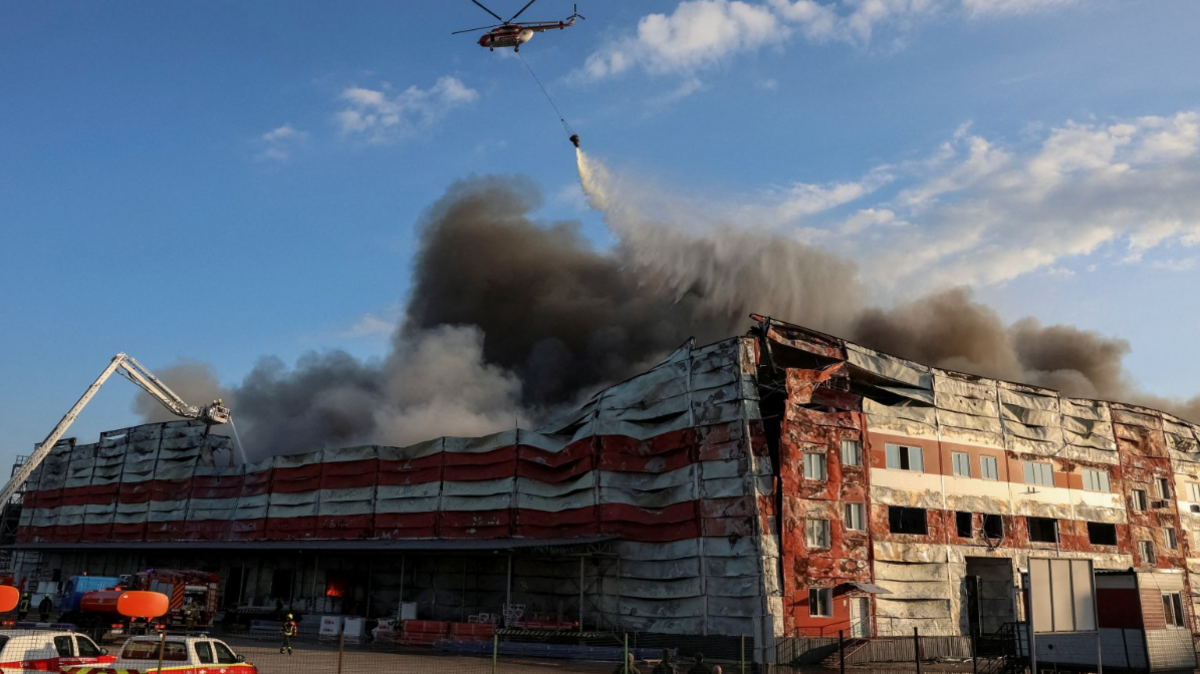
Wildberries, Russia’s largest online retailer, suffered massive warehouse fires after Ukrainian drones hit facilities in Tambov and Elektrostal, killing eight people in Tambov, 25 injured, and a further 37 injured in Elektrostal.
Ukraine’s long‑range drone campaign has intensified attacks on Russian energy sites, reportedly disabling nearly 43 % of Russia’s oil‑refining capacity so far this year. Moscow’s reliance on fossil fuel exports is seen as central to its war economy.
Zelensky underscored the urgency of ballistic missile interceptors, saying “interceptors are needed every day.” The international community watches the escalation, as Ukraine seeks increased defensive support from its European allies.