In brief
Loneliness in China’s booming cities has birthed a growing sector of paid companions who offer real‑time support to seniors and young professionals alike. From delivering hot meals to navigating hospitals, these helpers fill gaps left by family and traditional care. While the services cost less than full‑time caregivers, they bring a form of human connection that many value more than a phone call. The impact is visible: elderly residents like 91‑year‑old Yang report improved mood and a sense of security after regular visits. Experts note that the sector could expand into the billions as modern life keeps people isolated.
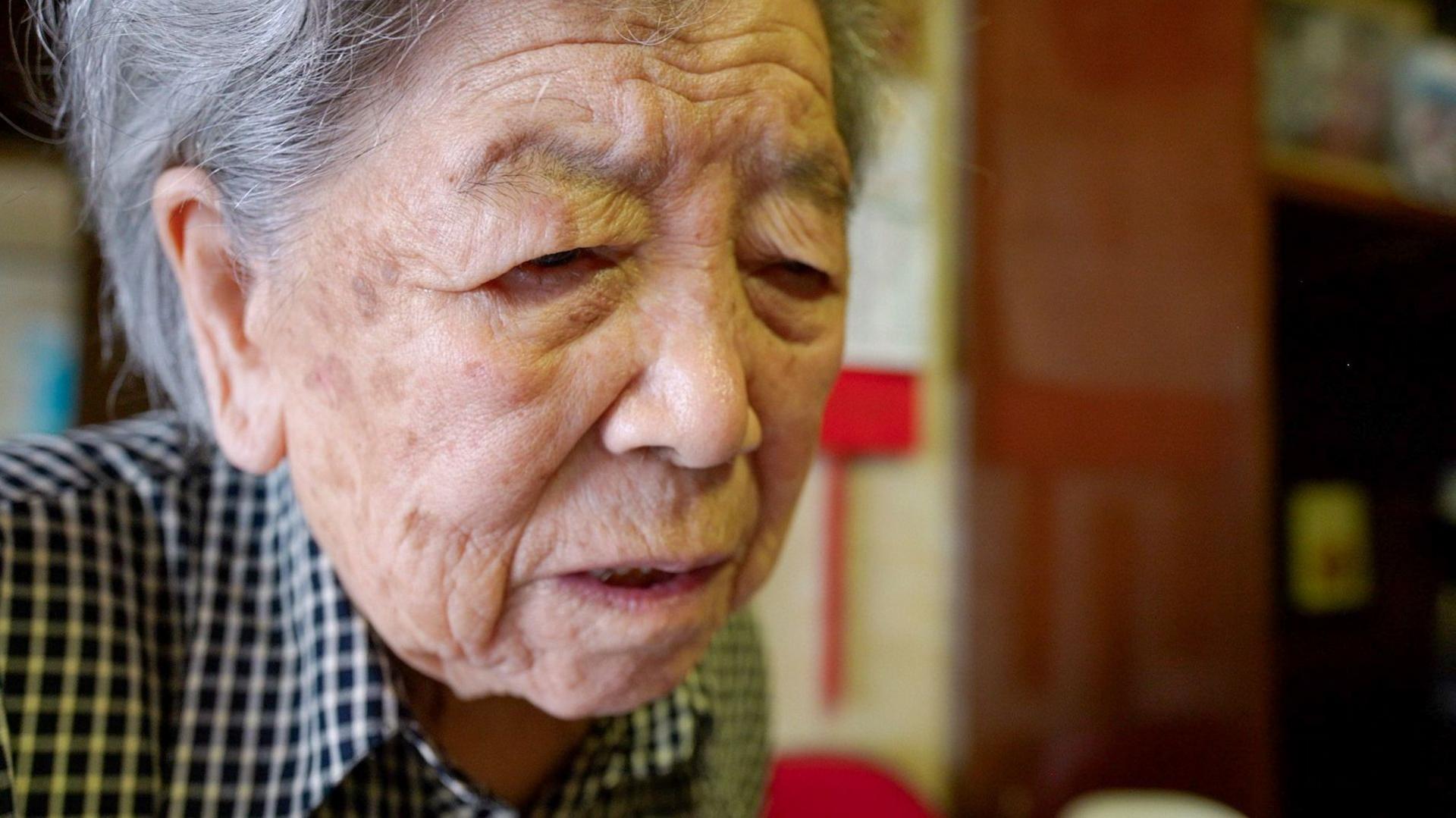
On the edge of Beijing’s sprawling cityscape, 91‑year‑old Yang endured a silence that pressed like a weight. After her husband died, she spoke to the television in the solitude of her bedroom, saying once, “If the day comes when I cannot live, I will consider voluntary euthanasia.” Yet she longed for something more tangible than televised talk. Facing blindness from glaucoma, Yang struggled with everyday chores such as turning her air conditioner or watering plants. The gaps in her daily life grew deeper, and that silence became a battlefield for her mental well‑being.
\A quiet revolution is unfolding amid these hardships: a booming “loneliness industry”. Companions and aides, who do not belong to formal care agencies, are hired on a part‑time basis to offer meals, hands‑on help, and most importantly, human conversation. One of the earliest players in this niche is Wang Yingwei. With thrice‑daily visits armed with meals and tools, he tackles practical issues—cleaning tap water with a filtered tank or fixing a broken shower head. He described his role as “community children,” a kind of stewardship that keeps elderly residents feeling safe and appreciated. Yang told reporters that Yingwei’s presence lifted both her mood and her confidence at home.
\Yingwei’s approach is economical. He charges fees that are half the market rate for a full‑time caregiver, allowing more seniors to afford help and enabling families to stay in their homes rather than institutional care. His small delivery team, however, has the capacity to grow; when fully booked, he says he would double his trips each month. Industry watchers estimate the loneliness market is worth an estimated $7.4 billion by the end of 2025, a number that reflects only the visible part of an invisible need.
\The sector is not limited to seniors. In China’s high‑density urban centres, young professionals who have uprooted their lives for work often feel alienated, lacking a network to turn to. 23‑year‑old Liu Yanyan runs a “medical escort” service that helps clients navigate complex hospitals and claim prescriptions. Liu said that when a client is alone at a waiting room, the presence of an escort reduces anxiety by almost half, freeing the client to focus on their health instead of procedural stress.
\Human interaction is a raw human need that is sometimes commodified. Teresa Kuan, an associate professor at Chinese University of Hong Kong, notes that a paid companion offers a predictable relationship compared with a casual friendship that can be uncertain. The certainty becomes a buffer against the emotional turmoil of modern life: work pressure, family responsibilities, and the fading old‑style community ties. The concepts of “fellows” and “followers” have shifted; companionship can now be brokered through a wallet instead of a hand or a hug.
\Beyond meals and hospital escorting, the industry fosters outdoor adventures. Hiking guide Wang Zhoutao organizes climbs up Mount Huangshan for clients seeking physical challenge and emotional support. He says his clients often turn to him when a social environment or a workplace feels suffocating. “I keep telling them they can handle more than they think,” he says. The memory of someone escorting you up a mountain and hearing a life‑changing thank‑you email can become the pivot for a lasting dialogue between strangers.
\While the concept may appear simple, it addresses a critical gap. For Yang, real‑time companionship has ushered a new chapter of peace. “Having someone visit, discuss thoughts, and fix daily tasks brings me comfort I didn’t know existed,” she shared. And she concludes that she will not lose these helpers, calling them “her good heart.”
\\