In brief
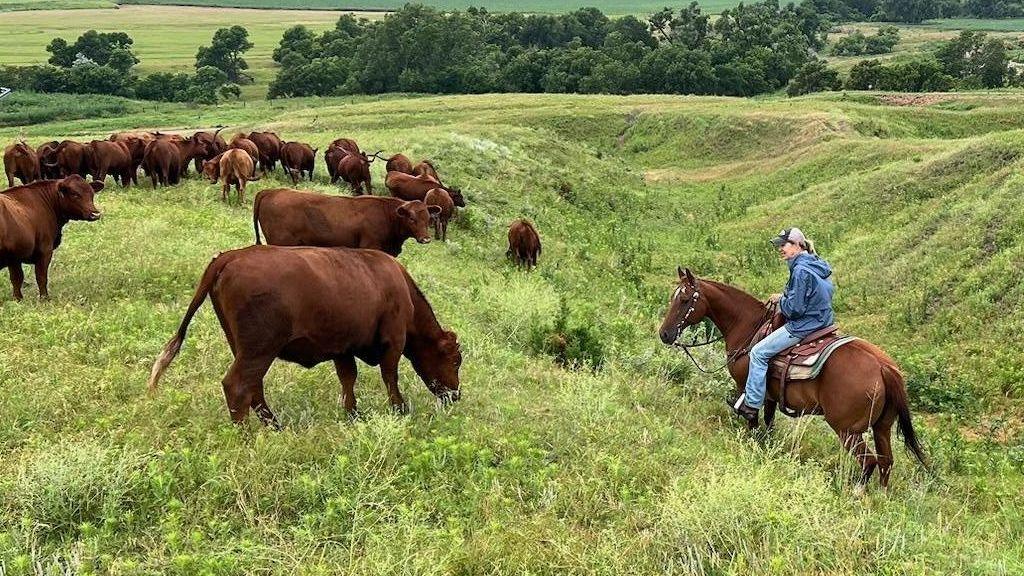
Nebraska ranchers are facing record‐high costs to feed and fence their cattle, a situation worsened by rising fuel and steel prices linked to Trump‑era tariffs. The recent decision to import 300,000 metric tons of duty‑free foreign beef has cracked domestic cattle prices just as the sale window for calves opens. While many still align with Trump on social issues, the economic strain has led some to question his agricultural policies, sparking a shift in voter sentiment in the state. Local ranchers such as Yvette Mannon and Jake Wolfinger describe daily hardships and a looming uncertainty that threatens their operations. In the lead‑up to the 2026 mid‑term elections, the resilience of Nebraska’s farming community is proving both steadfast and, for some, ready to reconsider their political allegiance.
In recent months, Nebraska ranchers have been wrestling with soaring costs to feed and fence their cattle, while the political shift in their own state puts them at a crossroads.
Yvette Mannon, who owns a 300‑head ranch that has endured a wildfire, a $300,000 fence repair bill and skyrocketing diesel, has been forced to rethink her supplies. She says the new Trump‑era tariffs that increased steel prices by almost five dollars a foot have added a devastating financial blow.
In August the administration announced it would import 300,000 metric tons of duty‑free foreign beef, sending domestic prices down at a time when the window for selling calves is critical. “It felt like a betrayal,” Mannon told reporters, even though she voted for Trump in 2016.
Other Nebraska farmers, like Jake Wolfinger and Dan Osborn, echo the strain. Wolfinger notes diesel costs have jumped more than 40%, while Osborn says the market cycle can be brutal, but it is the added uncertainty from policy changes that is most painful.
Despite these challenges, many of the ranchers remain aligned with Trump’s values on social issues, but a growing number are questioning whether the president’s economic agenda still serves their interests, according to local polls showing support for the independent candidate Dan Osborn rising in the upcoming Senate race.
“People in agriculture are eternal optimists,” Mannon said, but the financial realities have forced some to close down their operations or risk losing their legacy farms.
It remains to be seen whether federal relief on fuel or beef import cuts will restore viability or whether the political shift will become a tipping point in a state that historically leaned heavily for Trump.