In brief
Melbourne’s MCG hosted a sold‑out NFL game this September, marking a historic moment for American football in Australia. Fans streamed in from across the country as the LA Rams met the San Francisco 49ers, with tickets soaring above A$650 for restricted seats. The timing—10:35 am local to suit US prime‑time—caused jet‑lag dilemmas, while Rams’ Qantas flight strategy aimed to minimise disruption. Despite logistical challenges, Australian engagement—from mural fan art to community days—was fierce, suggesting a potential lasting foothold for the NFL in the Southern Hemisphere. The league’s long‑term commitment could mirror the UK’s successful stadium contests, but local sports culture and player itineraries require careful navigation.
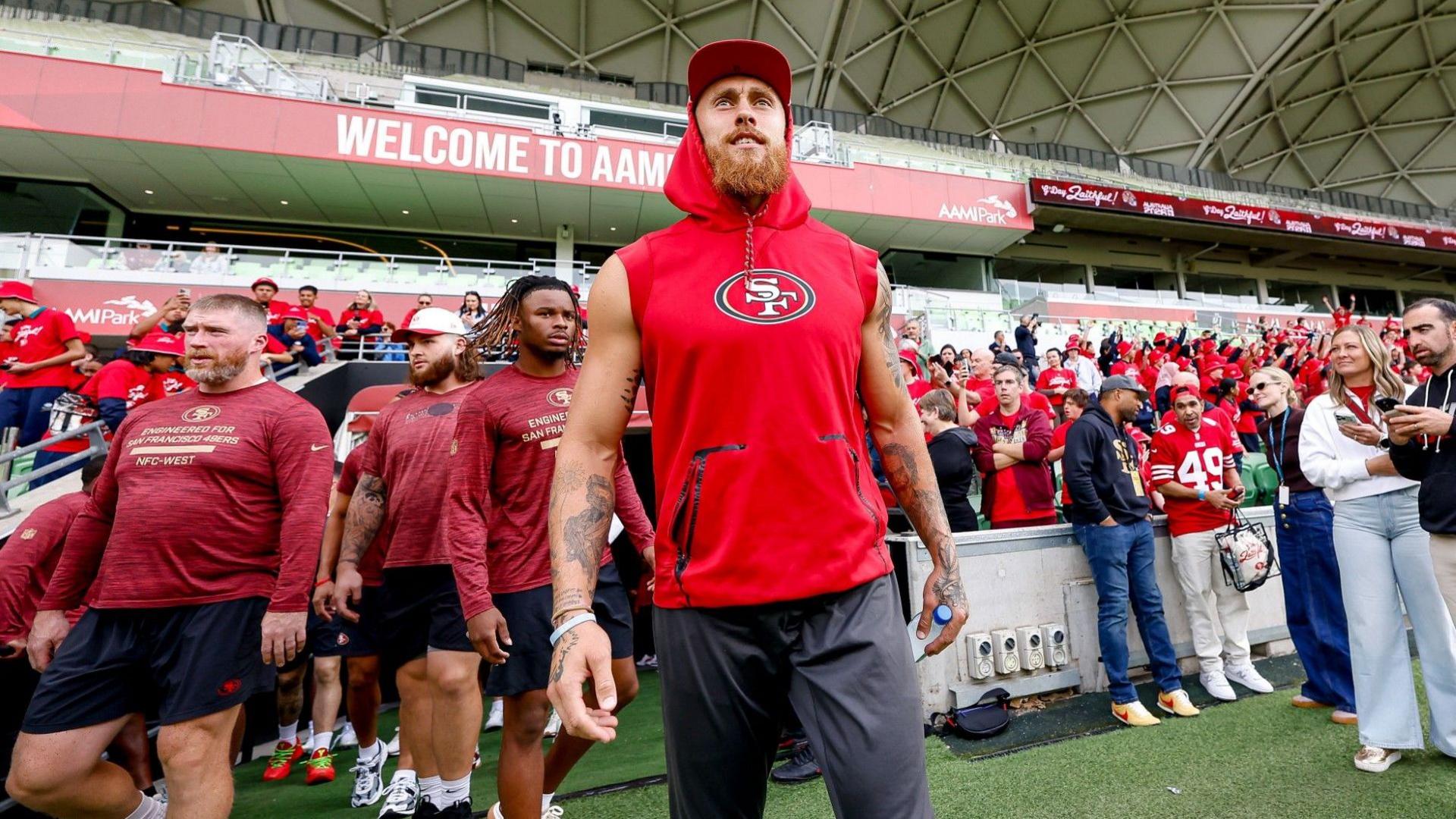
At 7 am on Friday, 100,000 Melbourne residents filed into the MCG for what felt like a sporting novelty. The game, a 10:35 am start for local viewers, pitted the LA Rams against the San Francisco 49ers in a sold‑out venue that had never before hosted a meaningful, non‑exhibition NFL regular‑season match.
Ticket prices topped A$650 for our most restrictive seats, a reflection of the appetite beyond Victoria, while the league’s Global Markets programme ensures an annual Australian commitment comparable to the UK’s regular fixtures. The Rams’ Qantas A380 arrival Thursday, a 16‑hour flight that set a rapid turnaround, aimed to minimise jet‑lag—yet players admit the challenge remains a gamble, especially for those standing at six‑six‑foot. Meanwhile, the 49ers, arriving late but having time to acclimatise, appear to carry more ground in the local fandom.
The AFL finals week ran almost parallel to the NFL launch, but media coverage turned the city into a battleground of red‑clad, NFC‑centric bars and Rams‑themed trams, creating an atmosphere that screamed “home.” Interesting cultural intersections appeared when former 49ers star Christian McCaffrey praised Melbourne’s coffee, inadvertently nodding to the home‑state’s cafe culture that straddles the time‑zone bite.
Community engagement was a big part of the pre‑game buzz. Rams cheerleaders visited US military bases; a 22‑yard floating field was deployed on the Yarra River, and the franchise’s Australian membership programme pushed “flag football” into schools—porting the spotlight to a non‑contact version that’s slated for the 2028 Los Angeles Olympics.
Despite the distance—Melbourne sits 17 hours ahead of California—players and commentators have voiced optimism. If fans see a future where Australian talent like Jordan Mailata can contribute to NFL successes, and if ticket sell‑outs persist, the NFL’s argument for a fixed yearly game in Australia becomes stronger. Whether the local enthusiasm will keep the stripes on Australian sports screens remains to be seen, but the data suggests a promising start.
From now on, “playing in Melbourne” may become the point of pride for AFL fans tuned into NFL flow, with the league’s future games possibly resting on the same MCG stage next year.
In short, the Rams‑49ers clash showcased a new frontier, igniting conversation about sport, time‑zones, and global markets. The match not only split Australian hearts but also showcased the potential fusion of American football and Aussie culture.