
In brief
In November 2024, six foreign travelers—three from Australia, a Briton, two Danes and an American—died after consuming a methanol‑tainted drink in Vang Vieng. Laos’ Ministry of Public Security admits forensic uncertainty, stating no autopsies were carried out, preventing determination of blame. The distillery involved faces charges for selling harmful food products, yet not the deaths. The Australian government is outraged, having summoned Laos’ ambassador, and the UK has launched warnings about methanol risks. The case underscores the ongoing methanol poisoning crisis in Southeast Asia.
The Ministry of Public Security says it lacks forensic evidence to identify blame or cause for six deaths associated with methanol‑tainted alcohol in Vang Vieng.
A Briton, two Australians, two Danes and an American succumbed to poisoning in November 2024 after a night of free shots at a local distillery.
Laos admits no autopsies were performed because authorities were not permitted to conduct them in 2024, leaving the exact cause of death undetermined.
The distillery owner now faces charges for selling harmful food products and for operating illegally. Those alleged responsible could face up to one year in jail and a fine of £829 ($1,100; A$1,600).
The Australian government described the failure to pursue further charges as “deeply frustrated and bitterly disappointed”. Canberra’s foreign ministry summoned the Laotian ambassador as a result.
Officials found excessive levels of methanol in the vodka produced by the distillery involved; methanol is a colourless liquid that is chemically similar to alcohol and can be lethal even in small doses.
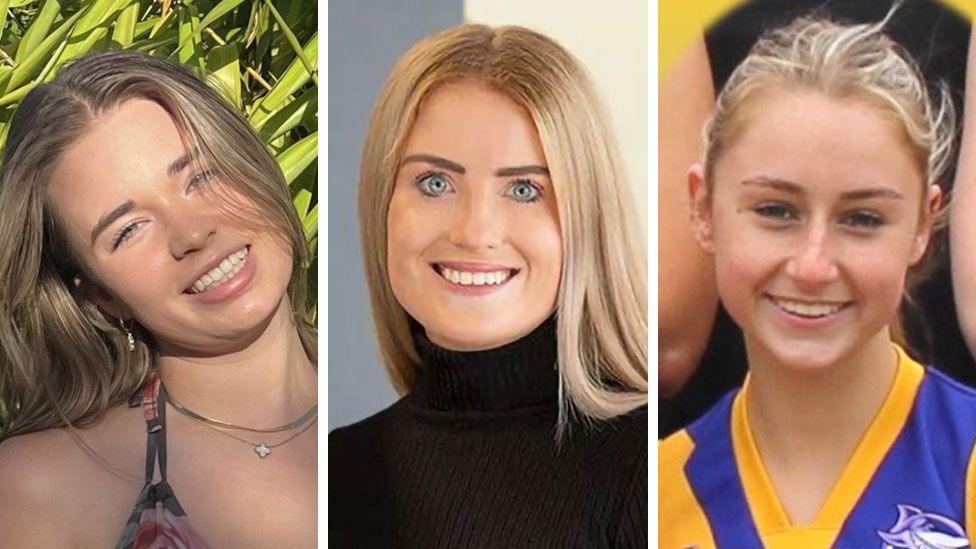
The victims—Simone White, 28; Bianca Jones and Holly Morton‑Bowles, 19; Anne‑Sofie Orkild Coyman, 20; Freja Vennervald Sorensen, 21; James Louis Hutson, 57—had all been staying at the Nana Backpacker Hostel when they fell ill on 13 November. The hostel’s patrons had not checked out after the incident.
Earlier this year, ten people connected to the hostel were charged with destroying evidence, receiving suspended sentences and fines of £135 each.
Vang Vieng, a riverside town in central Laos, is a popular backpacker hub for travelers across Southeast Asia.
Last week the British government launched a campaign warning tourists of methanol risks.
Common symptoms of methanol poisoning include:
- Vomiting, poor judgement, loss of balance and drowsiness – early signs.
- 12‑48 hours after drinking, abdominal pain, vertigo, hyperventilation, breathlessness, blurred or lost vision, coma and convulsions.
- Distinctive visual disturbances such as blurry vision, trouble with bright lights, “snowfield vision” or tunnel vision; in severe cases complete blindness.
Meticulous testing and timely autopsies are essential to prove violations and protect future travelers. The current case illustrates gaps that leave victims unaccounted for and families bereft of closure.