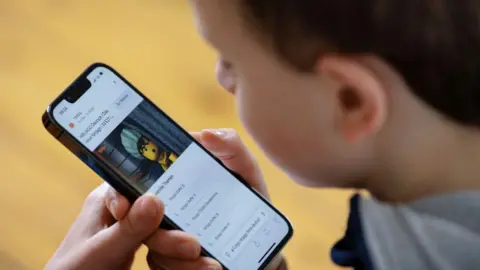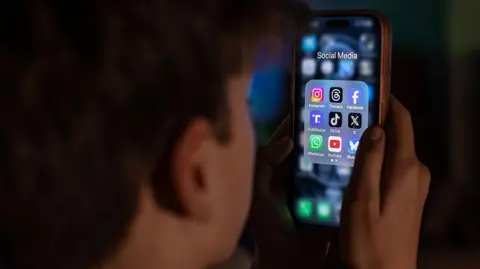
About 550,000 accounts were blocked by Meta during the first days of Australia's landmark social media ban for kids.
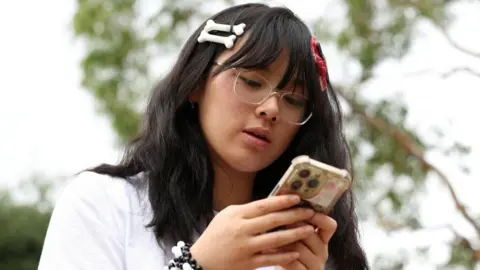
In December, a new law began requiring that the world's most popular social media sites - including Instagram and Facebook - stop Australians aged under 16 from having accounts on their platforms.
The ban, which is being watched closely around the world, was justified by campaigners and the government as necessary to protect children from harmful content and algorithms.
Companies including Meta have said they agree more is needed to keep young people safe online. However, they continue to argue for other measures, with some experts raising similar concerns.
We call on the Australian government to engage with industry constructively to find a better way forward, such as incentivising all of industry to raise the standard in providing safe, privacy-preserving, age-appropriate experiences online, instead of blanket bans, Meta said in a blog update.
The company reported blocking 330,639 accounts on Instagram, 173,497 on Facebook, and 39,916 on Threads during its first week of compliance with the new law.
They reiterated that age verification should occur at an app store level, suggesting it would reduce compliance burdens on both regulators and companies. Furthermore, they proposed exemptions for parental approval.
Various governments, from the US state of Florida to the European Union, are experimenting with limiting children's use of social media. However, along with a higher age limit of 16, Australia is the first jurisdiction to deny parental exemptions in such a policy, making its laws the strictest globally.
The policy has garnered popularity with parents and international interest, with some political leaders in the UK suggesting similar measures.
However, concerns remain about the efficacy of the ban, as young Australians might easily find ways around it, accessing potentially unsafe environments online or exploiting age verification technology.
Moreover, mental health advocates warn that the ban could detrimentally impact children's connections, particularly for marginalized groups, leaving them unprepared for the realities of online interactions.