In brief
In the remote Andes, a 45‑year‑old candidate named Hitler Mussolini Simeon Flores secured the mayoralty of Queropalca, drawing international headlines purely because of his names which echo infamous dictators. With a razor‑thin margin of 25 votes, he remains the smallest elected official to storm global media. The election highlights how sensational names can eclipse policy discussions in the era of social media. Peruvian officials emphasize that the process was democratically sound, underscoring how virtual communities can amplify oddities into spectacle.
Mayor of Queropalca: The Story of Hitler‑Mussolini in Peru

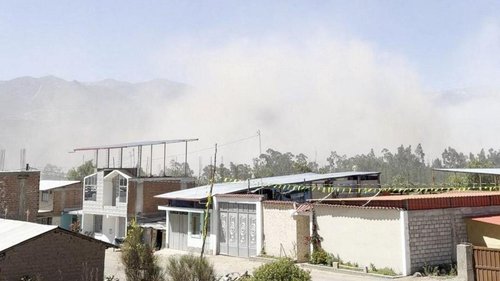
In a quirky turn of events, Hitler Mussolini Simeon Flores won the mayoral race in the remote Andean district of Queropalca, securing 229 votes against 204 for his rival from Renovación Popular Perú.
The 45‑year‑old candidate represents the centre‑left Ahora Nación party and earned roughly 34 % of the 700 votes cast in a town of fewer than 1,000 residents. The election attracted global headlines simply because his given names echo those of two infamous 20th‑century dictators—Adolf Hitler and Benito Mussolini.
While local media emphasised his platform—promising “infrastructure, markets, and civic restoration”—the international spotlight was largely a social‑media curiosity. Similar names have surfaced elsewhere: a 2018 mayor of Yúngar named Hitler Guesclin Alba Sánchez, and an Namibian candidate Adolf Hitler Uunona who won office in 2020.
Peruvian officials stressed that the election was a normal democratic process; no policy link to the fascists exists. The case underscores how global media can exaggerate a story when a name triggers collective memory, and how virtual communities in the metaverse can amplify oddities into spectacle.
For those navigating digital politics on platforms like Metaworld, this incident serves as a reminder that avatars and titles can blur the line between satire and reality.