In brief
Police in Mauritius imposed an overnight curfew to quell the worst riots in decades after a woman was shot during protests over water shortages and high living costs. The incident led to the arrest of the officer involved and prompted Prime Minister Navin Ramgoolam to warn of heavy consequences for anti‑patriotic acts. Armed with tyre‑fires and blocked roads, the unrest damaged public infrastructure, forced school closures and prompted foreign embassies to issue travel alerts. Analysts say the government’s response—closing schools and capping curfew—was logical given the scale of the unrest, yet water shortages are expected to persist until the rainy season. The cabinet is set to meet Wednesday to decide next steps.
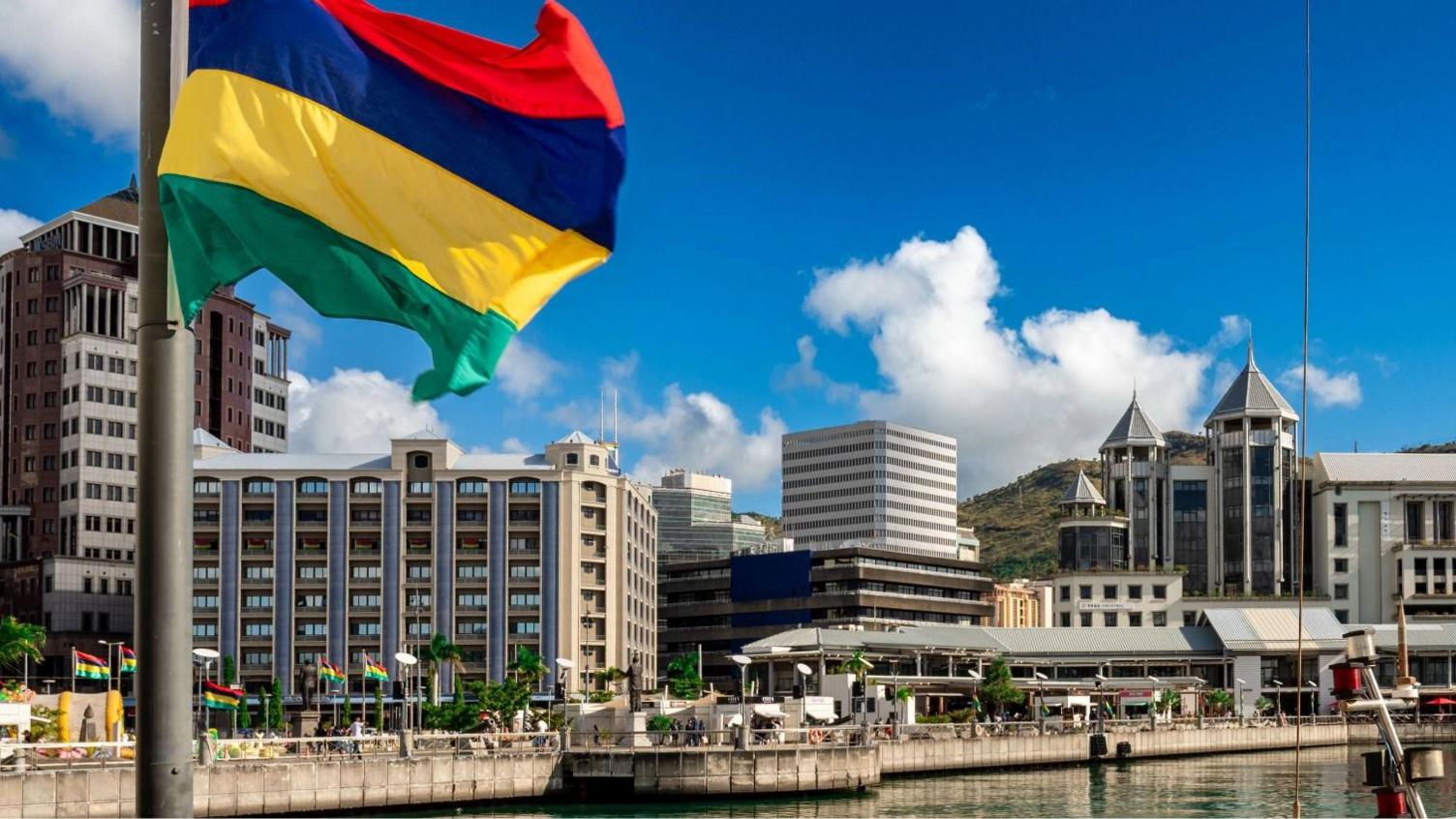
Police in Mauritius imposed an overnight curfew to calm the worst riots in decades after a woman was shot during protests over water shortages and the high cost of living.
The shooting—details remain unclear—led to the arrest of the officer and a nationwide curfew declared by Prime Minister Navin Ramgoolam on Tuesday with a stern warning that those who acted against the country’s interests would face heavy consequences.
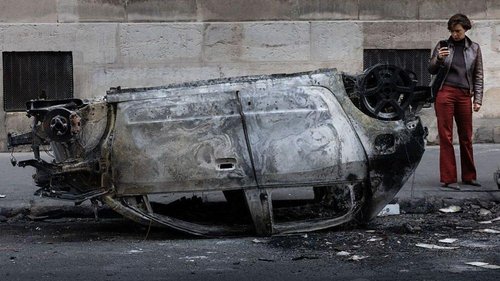
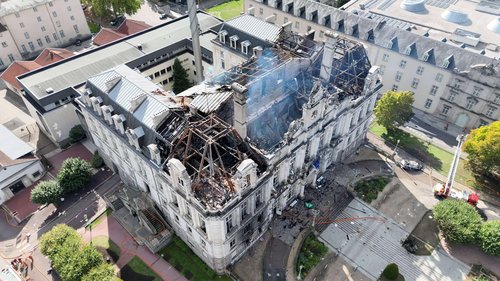
Protesters burned tyres, blocked roads, and vandalised public infrastructure, creating chaos that forced schools and public transport to shut down and prompted foreign embassies to advise caution.
Despite the curfew, police reported several overnight incidents and arrests, but by Wednesday morning traffic had resumed and authorities urged the public to return to normal activities.
Analyst Zoë McCathie of Signal Risk noted the escalation was unprecedented since the late‑1990s, judging the government’s response as necessary to curb unrest, though water shortages may drag on until December’s rains.
The cabinet will reconvene Wednesday afternoon to reassess the situation and decide further steps.