PORTLAND, Maine — Two years after the deadliest mass shooting in state history, Maine residents are voting on whether to make it easier for family members to petition a court to restrict a potentially dangerous person’s access to guns.
A statewide ballot question on Tuesday asks residents if they want to build on the state’s yellow flag law, which allows police officers to initiate a process to keep someone away from firearms. Approval would add Maine to more than 20 states that have a red flag law empowering family members to take the same step.
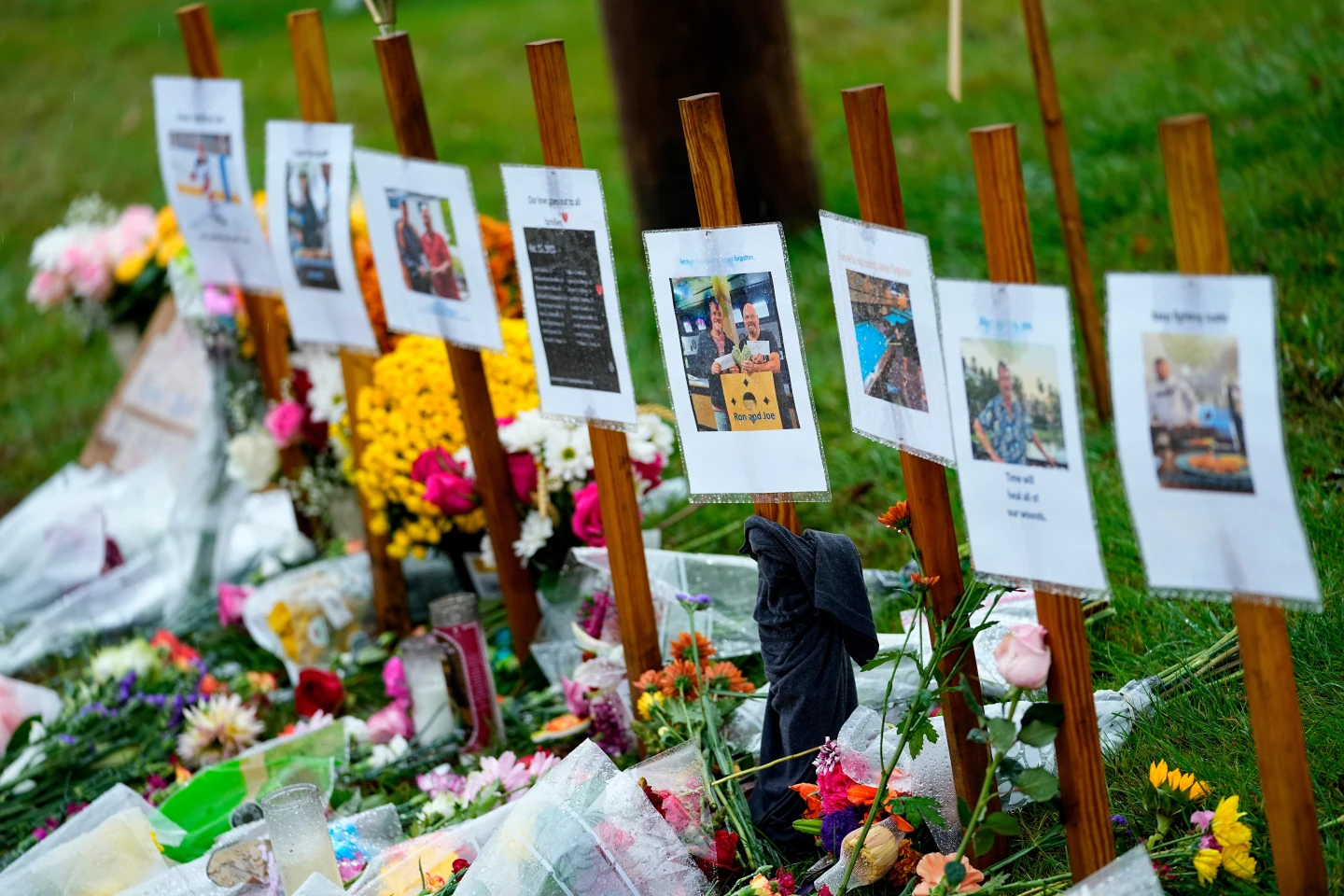
Gun safety advocates began pushing for a stricter red flag law after 18 people were killed when an Army reservist opened fire at a bowling alley and a bar and grill in Lewiston in October 2023. An independent commission appointed by Maine’s governor later concluded that there were numerous opportunities for intervention by both Army officials and civilian law enforcement.
In the aftermath of the shooting, law enforcement officers testified that they had difficulty implementing the state’s existing yellow flag law, which they described as cumbersome and time-consuming. Gun control proponents characterized the yellow flag law as too weak and difficult to implement, requiring police to take the potentially dangerous person into protective custody for a mental health evaluation.
The campaign in favor of the red flag law released ads featuring Arthur Barnard, father of a victim, who explained how a stronger law could have saved his son’s life. He stated, “People who are having a mental health crisis need help, not easy access to guns. Vote 'Yes on 2' to change that.”
Opposition to the red flag proposal comes from various groups, including Republicans, hunting organizations, and some Democrats, noting that Maine, with its low crime and common gun ownership, has laws that should reflect the state's values. Against this backdrop, Governor Janet Mills expressed her opposition, arguing that the existing yellow flag law suffices.
The legal ramifications from the Lewiston shooting are also ongoing, with survivors and family members suing the Army and the Department of Defense, asserting negligence in preventing the tragedy. The Department of Defense watchdog report cites failures to report prior violent threats, including relating to the shooter.