In brief
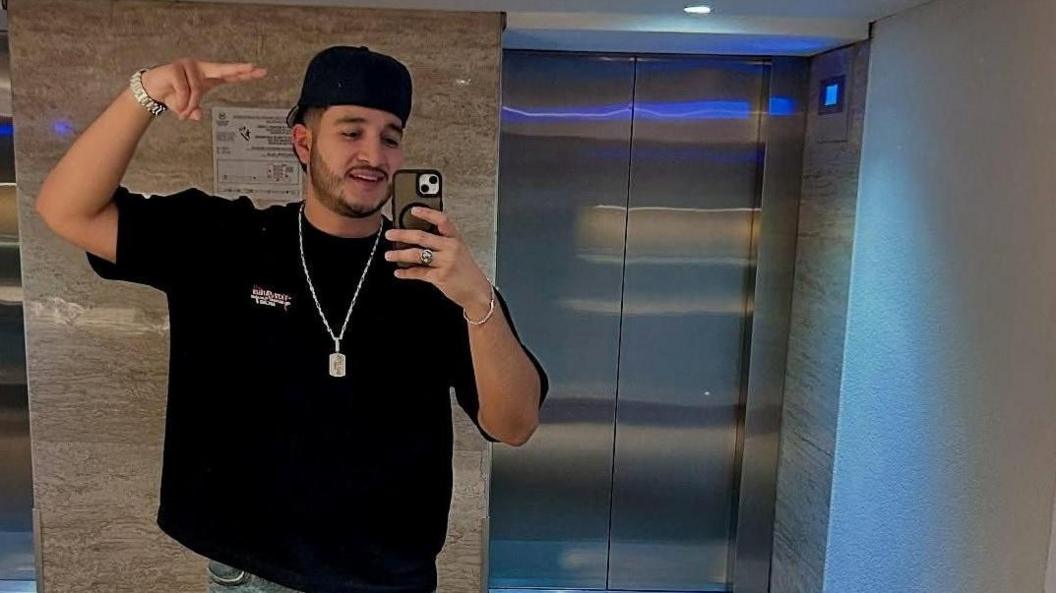
César Gastélum, a popular livestreamer, was fatally shot in Culiacán while broadcasting his day. CCTV captured the brief moment in which a motorbike rider fired a shotgun shot at the influencer before fleeing. Authorities note that some of Gastélum’s posts hinted at ties to criminal groups, aligning with a broader pattern of at least ten online creators dying in the state since the Sinaloa cartel war erupted. Experts warn that the lure of luxury lifestyles can draw criminals into using influencers as brand ambassadors, and rival factions may target those perceived as propaganda spreads. President Sheinbaum vows to audit artists linked to cartel propaganda, a move tied to recent nationwide crime reductions.
Live footage has stunned the world when a young internet personality, César Gastélum, was shot in the head by a motorbike rider during a stream in the city of Culiacán, Sinaloa. The incident was captured seconds after the two men approached him, offering a chilling visual reminder of the violence that plagues the region.
The state prosecutor’s office offered only sparse details, noting that some of Gastélum’s posts referenced a criminal group. While authorities say he had not received threats nor faced police investigations, his death is part of a grim pattern: at least ten creators have been murdered in Sinaloa since the cartels’ violent standoff two years ago.
Professor Claudia Arruñada of Iberoamericana University explains that social media gives rival criminal factions a platform to exhibit lavish lifestyles that mirror narco‑culture. “The algorithm and the narcos promote the same thing: consumption and luxury as ultimate values,” she says, warning that the ‘meteoric rise’ of influencers can make them prime targets.
Gastélum’s own posts often showcased luxury cars, parties and exotic trips—familiar imagery used by both influencers and cartels to signal wealth. Critics argue that such displays might connect them to the underworld, though many denied being “narco‑influencers.”
Some studies suggest cartels treat creators as brand ambassadors, broadcasting propaganda. When rival factions clash, those perceived as supporting one side quickly become targets, as seen in the January 2025 leaflet attacks in Culiacán.
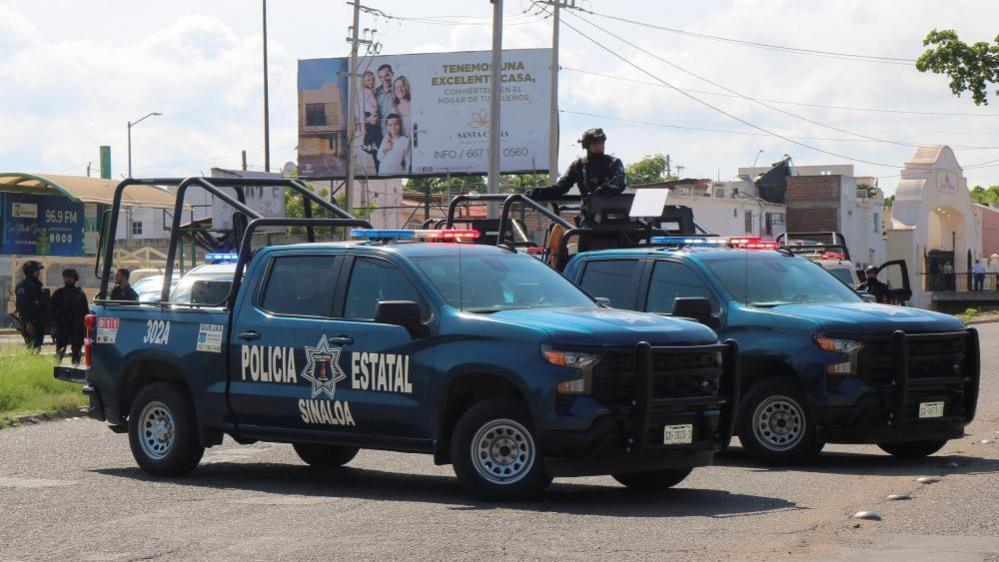
Government officials lifted security forces to quell violence, and President Claudia Sheinbaum pledged to prosecute those who ordered Gastélum’s murder. The administration has also called for a crackdown on narcocorridos—songs glorifying drug traffickers—and a broader initiative to cut ties between popular culture and criminal enterprise.
Official figures admit a 48% drop in murders in 2025, yet high‑profile killings like Gastélum’s reinforce that cartels wield death not solely on streets but also on digital frontiers.
For further coverage, see Mexican influencer shot dead during livestream and Valeria Márquez: Who was the Mexican influencer killed live on TikTok?