In brief
A powerful earthquake rattled Kyushu on Tuesday, leaving at least 13 dead and triggering over 100 aftershocks. A devastating explosion tore through Aeon Mall, eclipsing many buildings and causing widespread damage. Rescue crews work in scorching heat to salvage survivors from rubble while the Japanese government mobilises thousands for relief. The Japan Meteorological Agency warns of continued seismic activity, urging residents to maintain caution.
More than 100 aftershocks have rattled Kyushu since a powerful 7.1 magnitude quake struck on Tuesday, claiming at least 13 lives and leaving many others in shock.
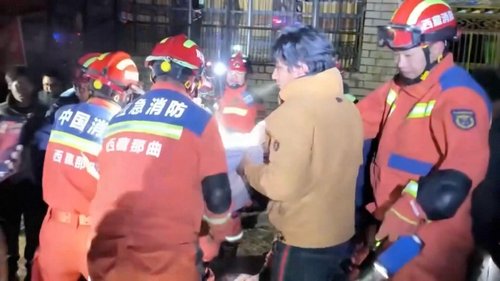
Residents of Kumamoto Prefecture awoke to the sound of a huge jolt that jolted the entire region. While some people survived, many were in cardiac arrest and put into a state of uncertainty that often precedes official death confirmation.
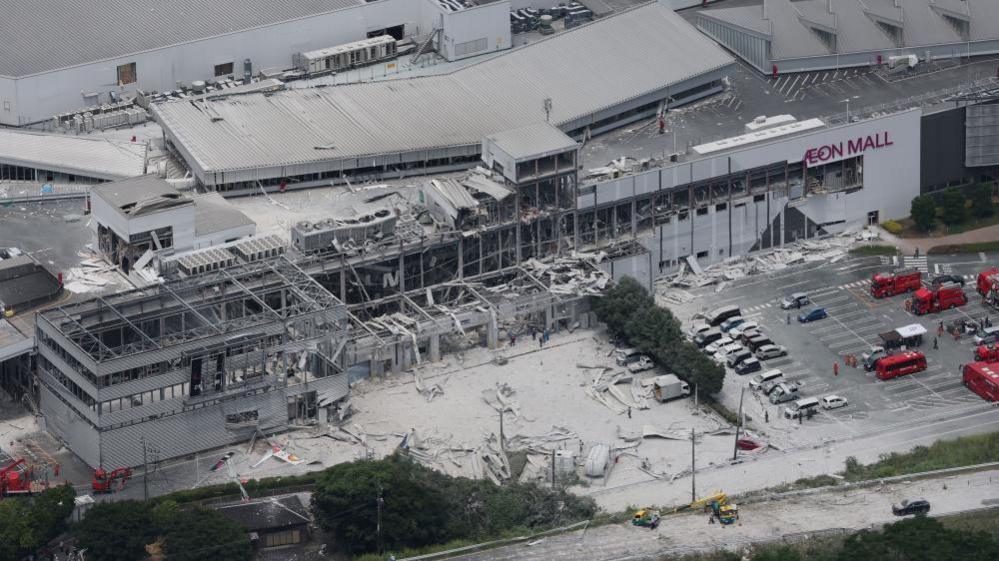
The shock sent a blast through Aeon Mall in Kashima, where a section of the second floor collapsed and exploded an hour after the quake. The event left white smoke, fractured buildings and survivors trapped beneath rubble.
Prime Minister Sanae Takaichi described the rescue effort as a "race against time". In a press briefing, she underscored that the Japanese government has moved 4,600 personnel to assist and warned that the weather hit about 35ºC, causing heatstroke risk for survivors and rescue workers.
The Japan Meteorological Agency urged readiness for following strong aftershocks—potentially up to magnitude 7. Five or more days after the quake, it might still deliver deadly tremors that require vigilance.
In further relief measures, Union Minister Shinjirō Koizumi announced air conditioning units would be flown to the hardest-hit sectors of the prefecture.
The earth’s shallow epicentre was only 10 km deep, shifting 20 km south of the city of Kumamoto; aftershocks have been counted in the 4,000 range, and emergency crews have been urged to stay alert for any new seismic events.