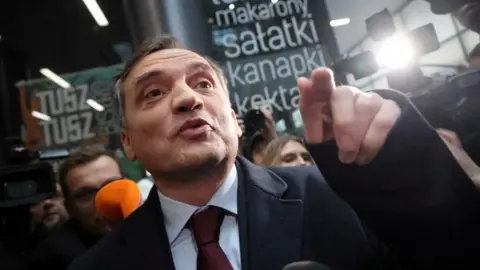
Hungary has granted political asylum to Poland's former Justice Minister Zbigniew Ziobro who is facing charges of embezzlement.
Ziobro is facing 26 charges related to embezzling money from a fund meant to be spent on crime victims and rehabilitating criminals. Instead, he is accused of authorising the purchase of spyware that was allegedly used to hack political opponents' phones. He acknowledges the allegations but claims he is a victim of political persecution.
Granting asylum to a citizen of a fellow EU member state goes against the spirit of EU standards but in Hungary, it is neither new nor surprising. Ziobro is the second politician from the former Justice and Law-led government to receive this status; last year his former deputy Michal Romanowski sought similar protection in Budapest.
Both are accused of corruption and using state-controlled funds to support their party, allegations which are particularly sensitive given the context of Hungary and Poland's recent political history.
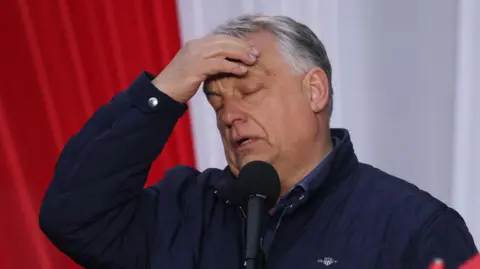
As justice minister from 2015 to 2023, Ziobro was a key figure in judicial reforms that clashed significantly with EU regulations concerning judicial independence. During his tenure under the right-wing PiS-led government, Hungary's Prime Minister Viktor Orban and the PiS government share a politically aligned relationship.
If convicted, Ziobro could face up to 25 years in prison for his alleged actions, which include authorising a £5.15 million purchase of Israeli-made spyware. This spyware is said to have been used for illegal surveillance on political rivals; claims which have triggered serious implications for Poland’s political landscape.
Writing on social media, Ziobro affirmed his acceptance of Hungary’s asylum as a measure against what he describes as a political vendetta led by the Polish government. His case highlights the enduring tensions in EU politics, especially given Hungary’s move potentially undermining the Union's legal integrity.
As the situation evolves, it remains to be seen how Ziobro's asylum will affect EU relations and judicial independence discussions in member states.