In brief
Sonam Wangchuk, a climate activist and engineer from Ladakh, has been on an indefinite hunger strike at Jantar Mantar for two weeks, losing 8.2kg and suffering dangerously low blood sugar and pressure readings. The protest is organized by the Cockroach Janta Party, which demands reform in India’s education system, including the resignation of Education Minister Dharmendra Pradhan after a leaked exam paper. Supporters, MPs and social media voices urge him to end the fast for his safety, while the government remains silent. The movement plans to march to Parliament on 20 July to pressure authorities. Wangchuk’s condition, his past humanitarian work and the broader political context underline the escalating tension in the crisis.
In Delhi the world is watching as Sonam Wangchuk, a 59‑year‑old engineer and climate activist, drops more than 8 kilograms during a 16‑day hunger strike at the historic Jantar Mantar observatory.
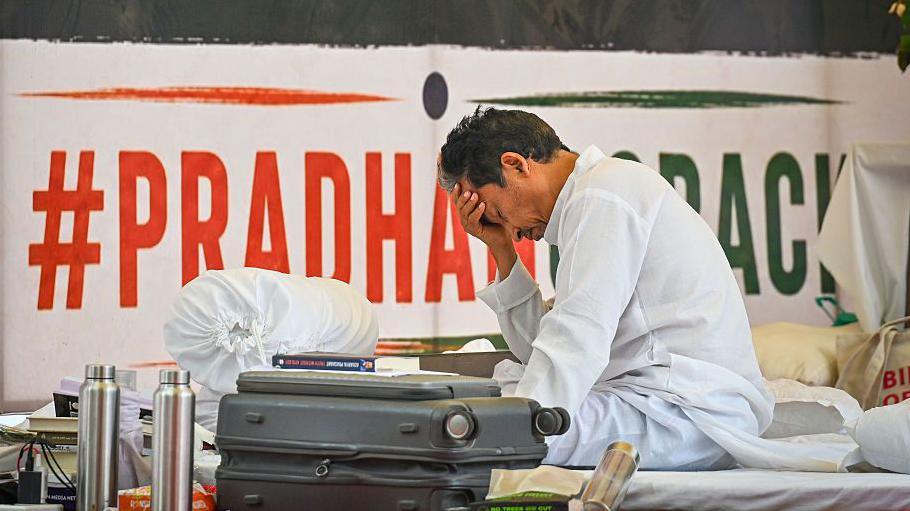
Health officials report his blood pressure at 107/70 and his glucose at 67, warning that continued fasting could be fatal. Supporters now appeal for his safety, urging him to end the fast, while he remains adamant that his protest must reach a logical conclusion.
The strike was launched on 29 June by Wangchuk after the government cancelled a key entrance exam for doctor aspirants following a paper leak. The Cockroach Janta Party (CJP) demands the resignation of Education Minister Dharmendra Pradhan and reform of exam processes, a stance the party presents as a fight for accountability rather than a shift in cabinet seats.
Wangchuk has a notable public record: he invented the ice stupa to preserve winter meltwater for Ladakh farms, earning him the Ramon Magsaysay Prize and global media attention. He was briefly jailed last October on allegations of inciting protests—a charge that was later dropped.
The protest has attracted MPs, celebrities and millions of text‑messages urging him to end his fast. Police have stationed medical teams outside the site, but no senior BJP official has visited or opened dialogue with the organisers.

The protest group plans to march to Parliament on 20 July, the start of the next session, hoping the government will finally engage. In the meantime, protests around Jantar Mantar continue day and night, with thousands gathering to support the activist’s cause.