In brief
The ongoing government shutdown has sparked considerable distress among Americans, particularly those reliant on food assistance programs and facing soaring healthcare costs. With the deadline looming, bipartisan discussions continue in hopes of re-opening the government before hunger and healthcare issues escalate further.
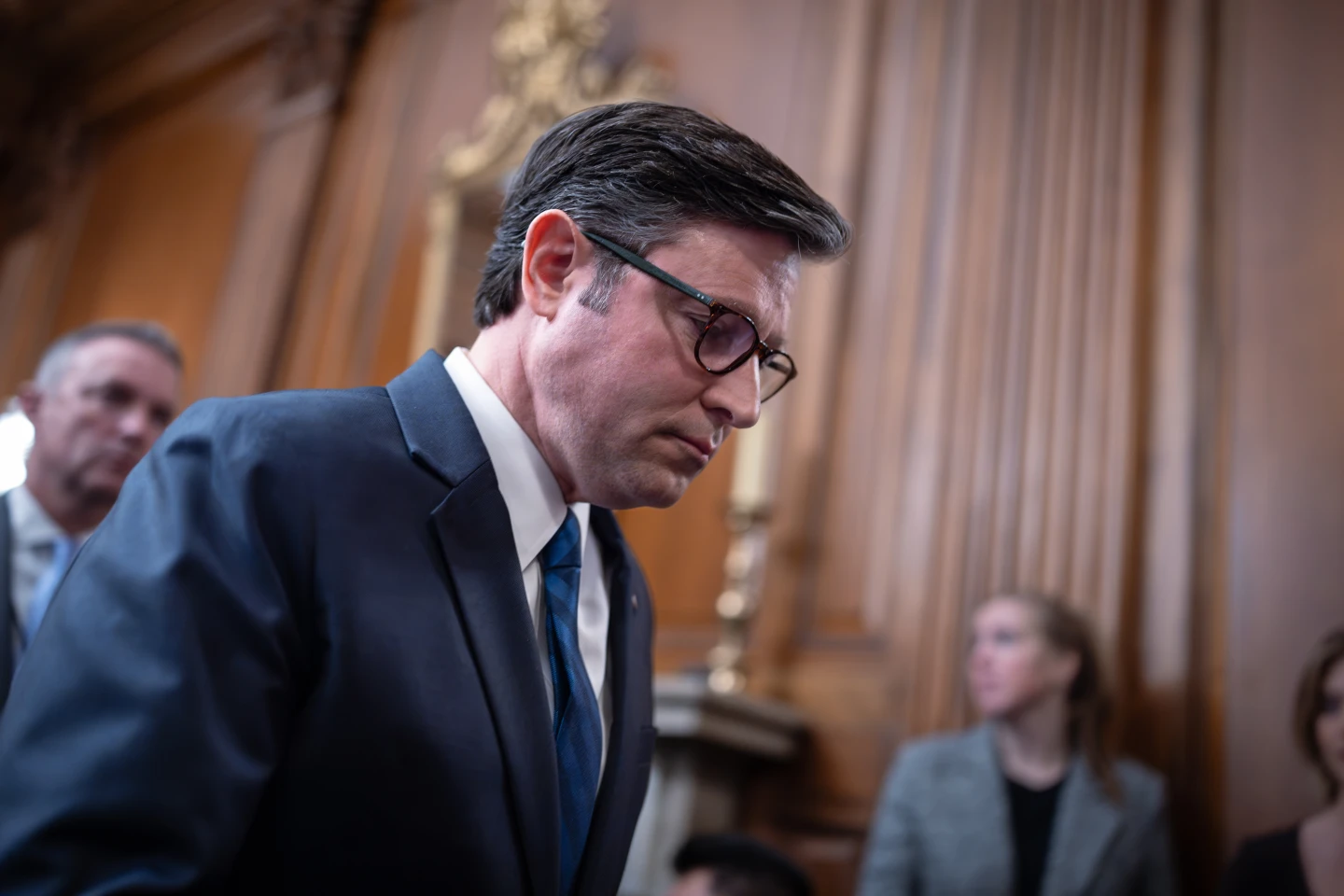
WASHINGTON (AP) — Key lawmakers including House Speaker Mike Johnson and senators are acutely aware of the growing discord among Americans as the government shutdown drags on. With federal services at a standstill, citizens across the nation are feeling the pressure. Alaskans are hoarding food, and families in Maine are struggling to secure heating oil as federal subsidies remain elusive. Flight delays are increasing as holiday travel nears, while workers continue to miss paychecks. Health insurance premiums for many are also rising sharply, aggravating the ongoing situation.Despite ongoing bipartisan discussions, an end to the shutdown, now in its 30th day, remains unclear. Food insecurity is expected to hit a crisis point as SNAP funds are poised to run dry.The administration has prioritized military funding while neglecting food aid programs, resulting in significant cuts to SNAP, which could leave many without assistance. Activists and lawmakers alike are calling for a resolution, emphasizing the necessity for food security over political maneuvering. The situation is further complicated by new work requirements for SNAP that could potentially disenfranchise millions. As deadlines loom closer, many hope that upcoming election results will push legislators toward finding common ground and reopening the government. The continuation of the shutdown poses a risk of becoming the longest in U.S. history, surpassing the record set in 2019 amid similar disputes over funds.