In brief
In Accra, opposition leader Bernard Antwi Boasiako received a 20‑year jail sentence with hard labour and a fine after being found guilty of illegal mining. The New Patriotic Party (NPP) deems the verdict politically motivated, citing lack of evidence and alleged judicial bias. Opposition leaders and environmental groups have voiced strong reactions—some welcoming the decision as a deterrent, others questioning the fairness of the prosecution. The case marks the first senior Ghanaian politician convicted of this offence since the 2017 crackdown on illegal mining, raising concerns about the political fallout and the rule of law.
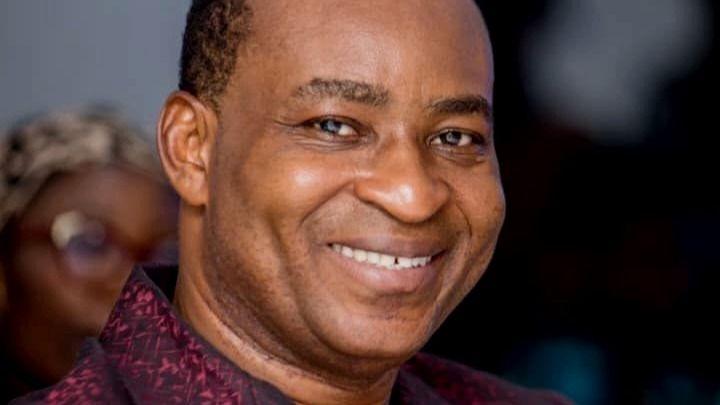
The Ghanaian capital, Accra, has been rocked by the sentencing of the New Patriotic Party (NPP) chairman for the Ashanti region, Bernard Antwi Boasiako, to 20 years in jail with hard labour and a fine exceeding US$10,000.
According to the NPP, the verdict is politically driven and lacks evidential grounding. Party spokesperson Justin Kodua Frimpong warned that the fight against illegal mining should not turn into a political weapon.
Boasiako, who has denied all allegations, faced charges linked to the Akonta Mining company that facilitated an unlicensed operation and assigned mineral rights without ministerial approval.
Environmental advocates hailed the decision as a necessary step toward preserving Ghana’s forests and waterways, stating that the verdict delivers a clear message that accountability remains essential for public resources.
The judge’s ruling amid a backdrop of years-long government attempts to clamp down on “galamsey” or illegal mining practices has intensified calls for judicial transparency and fair treatment across all political spectrums.
NPP officials are already preparing legal challenges to overturn the conviction, while the broader political community expresses unease about potential implications of the case on Ghana’s political climate.
For more context on Ghana’s mining policies and environmental impact, see the BBC Africa feature on the gold rush crisis.
Source: BBC News Africa