In brief
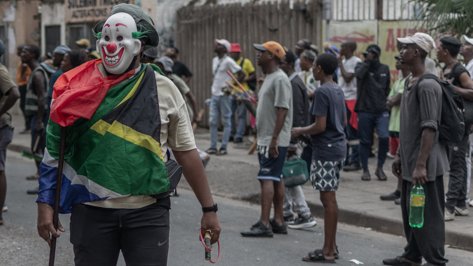
Ghana postponed a state visit by South African President Cyril Ramaphosa following a surge of xenophobic protests that saw over 900 Ghanaian nationals repatriated from South Africa. The original visit was scheduled for the first week of August, but Ghanaian officials said the travel arrangement would be put on hold pending a calmer domestic climate. Accra has expressed concern that the visit could trigger mass protests, while Pretoria remains defiant and continues to emphasize its commitment to deepening cooperation. The United Nations African Union is being called upon to investigate the rising attacks against migrants, as the situation risks isolating South Africa on the continent. Diplomatic tensions mount as each side disputes the status of Ghanaian citizens in South Africa and spurs broader discussions about migration policy across Africa.
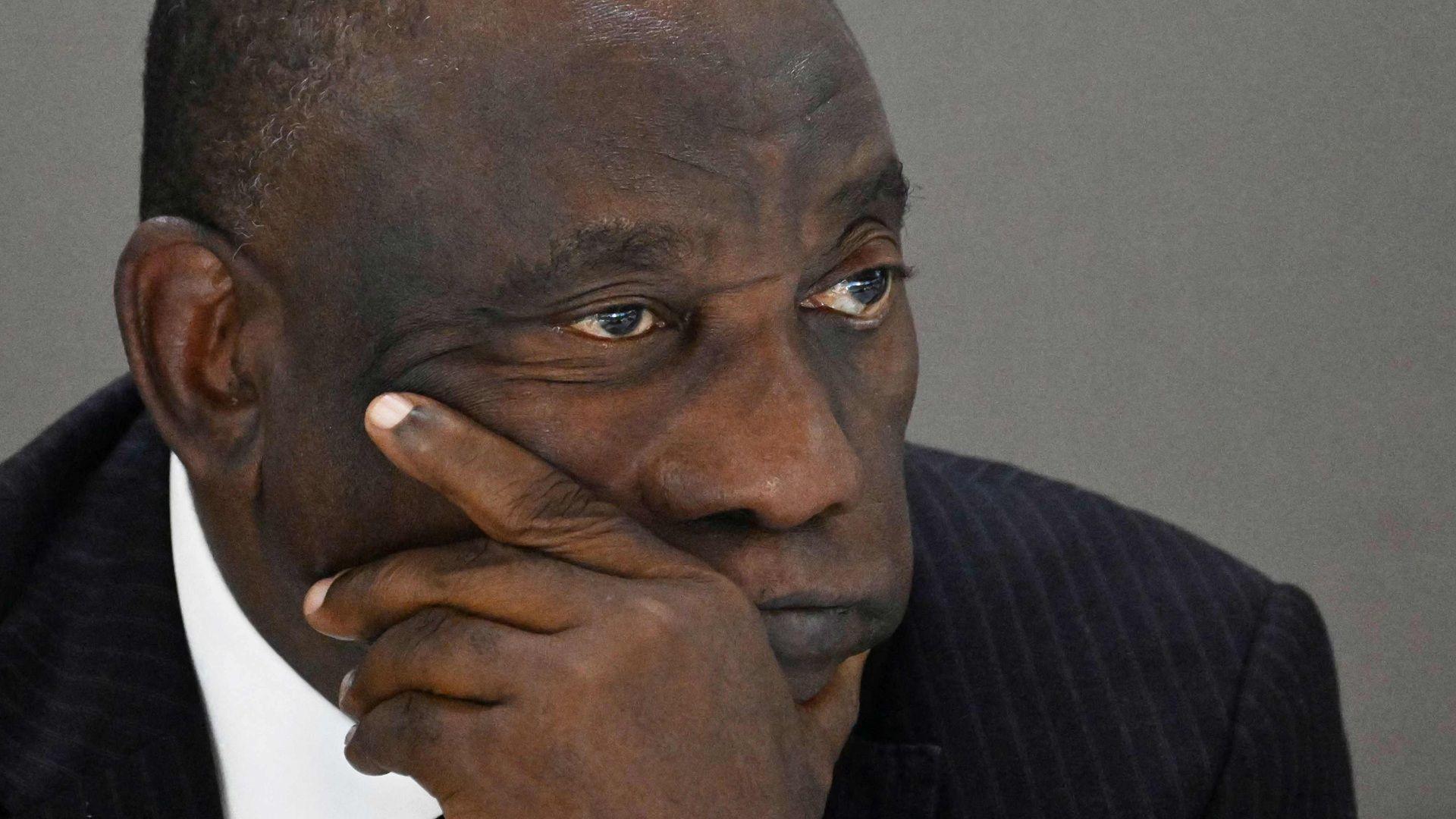
Ghana has postponed a visit by South Africa’s President Cyril Ramaphosa following xenophobic rallies that resulted in hundreds of Ghanaians being repatriated from his country. The visit, which had been planned for the first week of August, was intended to calm tensions between the two nations.
Ghanaian authorities warned that the president’s presence could spark mass protests, and spokesman Felix Kwakye Ofosu confirmed the decision to defer the trip. He said communication had been sent to Ramaphosa’s team indicating a pause due to the present climate around xenophobia.
S. Africa’s presidential spokesman Vincent Magwenya stressed the country’s commitment to deepening cooperation and advancing the African agenda, adding that a mutually convenient date would be sought through diplomatic channels.
The escalation followed a viral video of a young Ghanaian, Emmanuel Asamoah, in South Africa, who was told to “go fix his country” by protestors. Since then, Accra has repatriated more than 900 Ghanaian nationals, with a final batch expected in the coming weeks.
Other African states, including Nigeria, Malawi and Kenya, have also begun repatriating their citizens because of ongoing anti-foreigners protests. Some groups even set a deadline of 30 June for undocumented migrants to leave South Africa. Roughly 25,000 have been repatriated so far.
The incident gained further focus when Ghana condemned the alleged killing of Bahiru Isak, a 40-year-old Ghanaian, in South Africa. South African authorities denied the claim, stating that only a 35-year-old Kwabena Boagen was killed and not linked to the protests.
These events sparked a formal petition by Ghana to the African Union, urging action and a fact-finding mission to address attacks on foreigners that contravene the African Continental Free Trade Area agreement. Analysts warn that if urgent measures are not taken, South Africa risks political isolation on the continent.
Xenophobia has long plagued South Africa, with foreigners blamed for unemployment and crime. Yet many citizens of other African nations insist that the support and solidarity received during the anti-apartheid struggle should not be forgotten in this era of multiracial democracy.
Additional reporting by Khanyisile Ngcobo and Natasha Booty