In brief
The GKN Aerospace plant in Garden Grove still houses a hot tank of 6,000‑7,000 gallons of methyl‑methacrylate. Officials now say the temperature inside is 93 °F—below the level that could trigger a mega‑explosion—but warn that small fires or fumes remain a risk. About 34,000 households that previously had to evacuate are permitted to return, though cleanup and monitoring will continue for months.
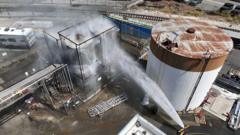
Emergency officials lifted the evacuation order for residents around a damaged tank at the GKN Aerospace Transparency Systems plant in Garden‑Grove, Southern California, after overnight readings showed the temperature inside had fallen enough to eliminate the danger of a catastrophic explosion.during a Monday press conference, Orange County Fire Authority division chief Craig Covey noted that although the high risk for a large blast had passed, a smaller explosion, fire, or chemical spill could still occur. Covey added that a crack discovered on Sunday allowed pressure inside the 6,000‑7,000‑gallon tank to drop, and about two‑thirds—roughly 34,000—of the residents who had been evacuated can now return home.The tank contained methyl‑methacrylate, a highly flammable plastic‑making chemical. A Purdue University engineering professor, Andrew Whelton, explained that the risk is greatest while the chemical remains hot; temperatures need to reach roughly 60‑70 °F before the environment is considered substantially safer.There was no contamination. No fumes, said Orange County Health Director Regina Chinsio‑Kwong, adding that the chemical’s odor is easy to detect but exposure had not caused any detectable harm.The GKN Aerospace plant, a British manufacturer of cockpit windows and other aircraft parts, has been closed since the incident. Fire crews removed external insulation from the tank to aid cooling. The company has apologized for the disruption and stresses that safety remains the priority.While residents’ homes are opened, authorities will continue monitors: the South Coast Air‑Quality Management District will test air quality, and the EPA will monitor storm‑drainout. The plant remains closed until the tanker’s contents can be safely drained.The incident has highlighted the fragility of the aerospace supply chain. Richard Aboulafia of AeroDynamic Advisory explained that even a single plant shutdown can disturb an entire industry because many parts are sourced from few suppliers.The evacuation order lifted today marks a major step toward normalcy for Garden‑Grove residents, though officials emphasize that the situation is not yet fully resolved.