In brief
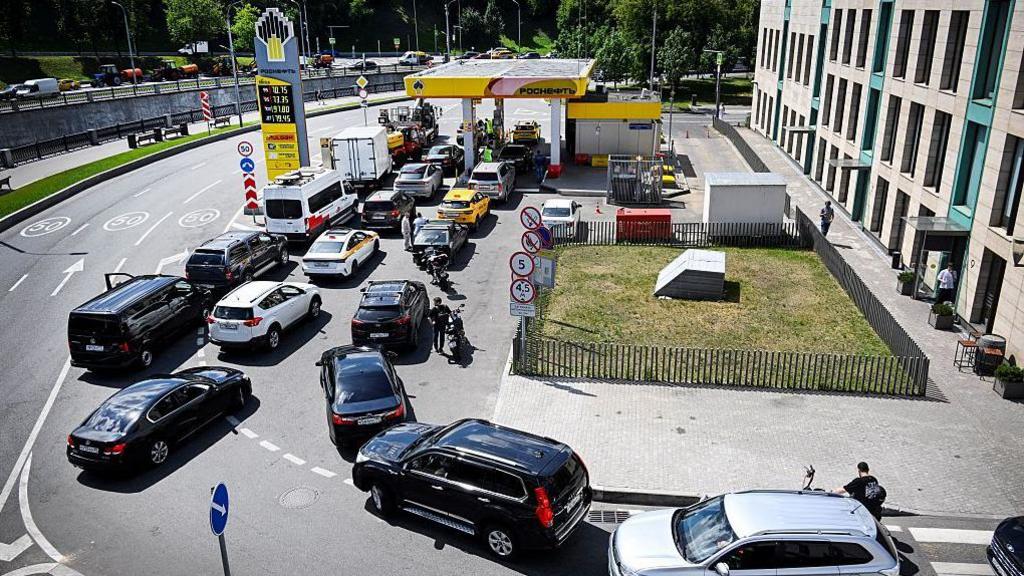
Moscow’s gas stations now sit in queues, a stark sign of Russia’s fuel crisis intensified by Ukrainian drone attacks. The shortages have spurred anger, panic, and resignation among citizens, while Putin publicly downplays the situation as “not critical.” Opposition voices warn that the crisis could erode his approval, yet analysts see no sign of Putin conceding. The conflict’s domestic spill‑over forces the Kremlin to plan fuel imports and price subsidies, while Russia’s economy edges toward slower growth. Will the fuel crunch translate into political pressure on the Kremlin, or will Putin double‑down?
If you drive through Moscow in a day, you’ll see a queue of cars and trucks at every petrol station—sometimes a long, standing line; sometimes a short, moving one. The sight is a clear signal that even the heart of Russia’s wealthiest city is struggling to keep its vehicles on the road.
The lines are not a trick of weather or seasonal demand. They stem from a growing fuel crisis: Ukrainian drones and missiles are striking oil refineries and disrupting production, while domestic refineries are already overstretched. As a result, Russia is falling short on the amount it can refine and sell to meet its enormous domestic demand.
Some locals feel more frustration than anger. Interviewee Yekaterina said she was “not happy” and that the panic was driven by the belief that “there will be no oil.” In her words, the state can still “reorganise the distribution.” Others, such as Andrei, have accepted the situation and expressed resignation, saying the crisis will “only get worse” if the European forces continue to support Ukraine’s war effort.
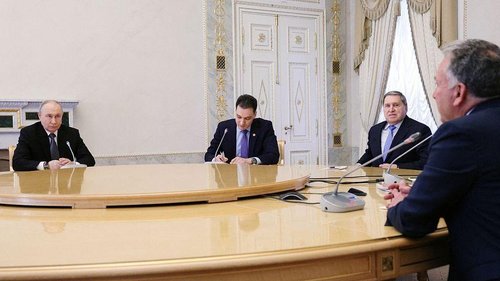
The crisis has forced Moscow’s leadership to act. President Vladimir Putin has addressed the shortages on state television, insisting that the Ukrainian attacks are “obviously creating problems” but that the situation is not critical. Meanwhile, Kremlin officials have already increased fuel imports, subsidised prices, and opened the market for lower‑grade fuel that could damage engines.
Putin’s dubs on the headlines of “we hold the initiative on the front line” and his analysis of European allies’ “real combat actions” has raised eyebrows. Some experts suggest that these signals indicate a failure to feel the pressure from the populace and a willingness to continue rolling the war out.
The public side of the issue—highlighted in polls by Levada Center and Gallup—shows that approval for Putin has been falling, while the proportion of Russians who think the country is on the right track has dropped to roughly half. This public sentiment, combined with the fuel crisis, could be a “game‑changer” for Russia’s economic growth, according to macro‑consultancy experts.
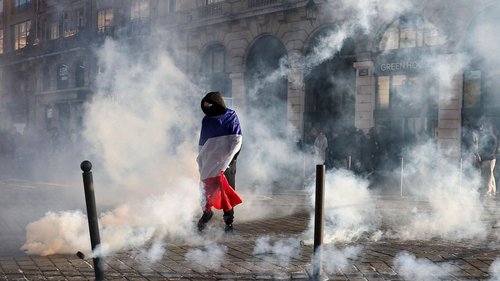
On the street, frustration turns into visible tension: drivers digging piles of gasoline, some fighting over supplies, and municipal officials stepping in to keep order in popular refueling spots. Even Russia’s rural counties are feeling the pinch—reductions in bus services, garbage collection, and concern over this summer’s harvest.
While the fuel shortages showcase the domestic impact of the war, they also intensify the debate over whether the crisis will turn into political pressure on the Kremlin. International experts argue that even if Russian citizens grow impatient, it will not necessarily spin them to overthrow Putin; instead, he might double‑down, as seen in his recent meetings with commanders.
As the Ukrainian artillery and drones continue to hit Russian oil infrastructure, Moscow’s citizens face a pressing question: Will the driver’s frustration become a more urgent call for peace, or will it simply fortify the Kremlin’s resolve?