In brief
In the early hours of Saturday, thieves stole three panels of the San Gregorio Polyptych and a double‑sided Madonna and Child from the Regional Interdisciplinary Museum of Messina. The crime was carried out without triggering alarms, raising questions about museum security. Italian officials suspect the work was taken by black‑market art dealers on order. The incident follows a string of high‑profile European museum heists, highlighting the vulnerability of cultural heritage.
The Heist
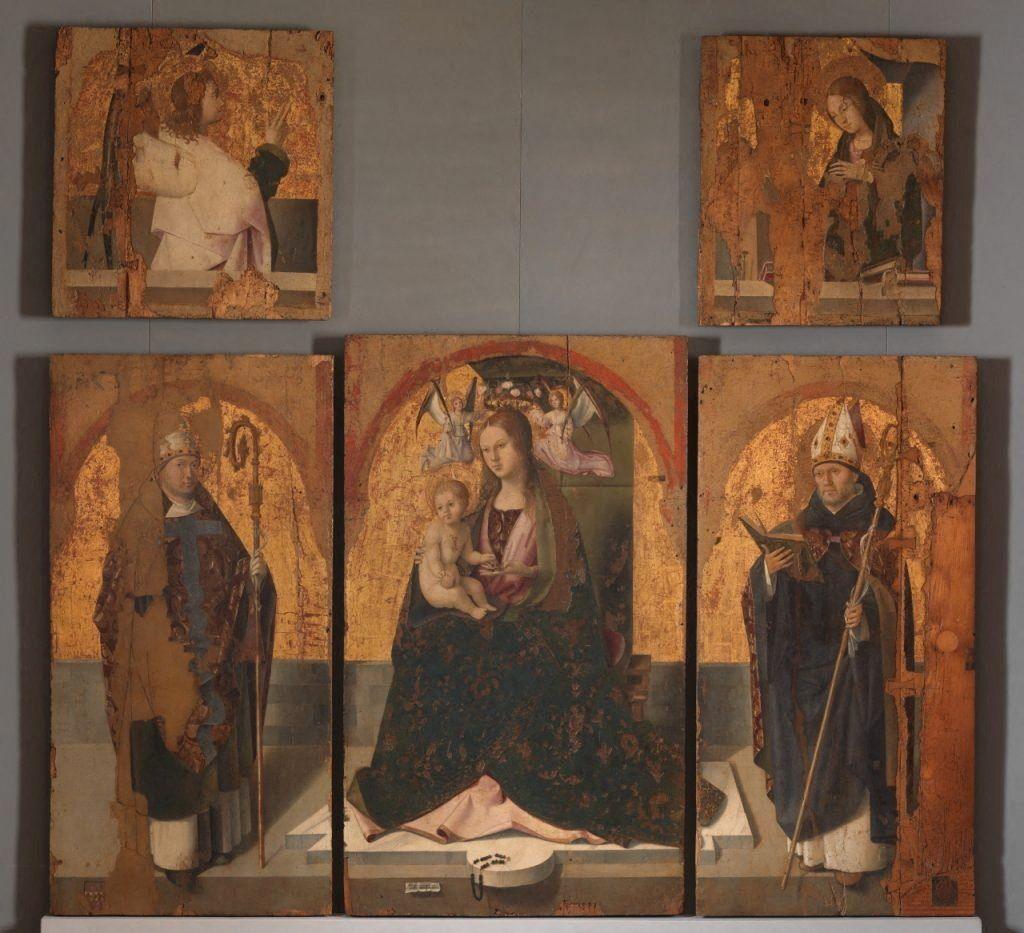
In the early hours of Saturday, a gang broke into Messina’s Regional Interdisciplinary Museum and stole four of Antonello da Messina’s original Renaissance paintings. Four fragments of a 1473 Polyptych, alongside a double‑sided Madonna with Child and Christ in Pietà, were taken from a secure display case without triggering alarms.
Police have opened investigations into how the thieves bypassed the museum’s security system and are searching for the suspects.
Three of the five surviving panels of the Polyptych of San Gregorio were taken.
Antonello da Messina and the Lost Works
Born in Sicily, Antonello da Messina was one of the early Renaissance masters who pioneered the use of oil paints. The Polyptych of San Gregorio, painted in 1473, depicted the Virgin Mary and infant Jesus flanked by St Gregory, St Benedict and a host of angels. Five panels survive, but three were last seen in the city’s museum until the theft.
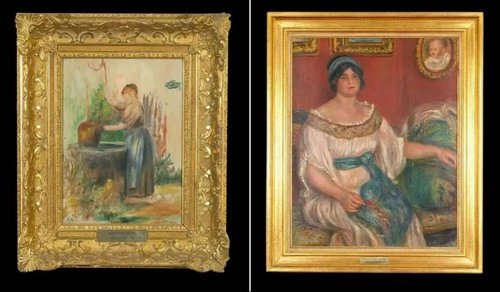
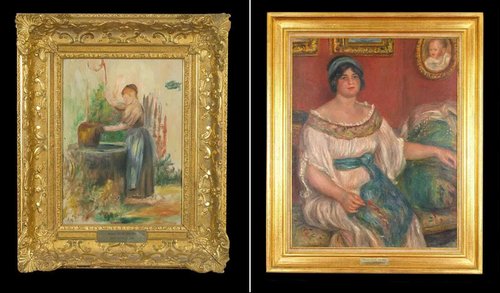
The double‑sided Madonna and Child, later exhibited at the British Museum, was likely used for private devotion because of its small size. Its theft adds to the growing list of art‑crime incidents across Europe, including the recent Louvre break‑in for jewellery and the Parma museum’s loss of works by Cézanne, Renoir and Matisse.
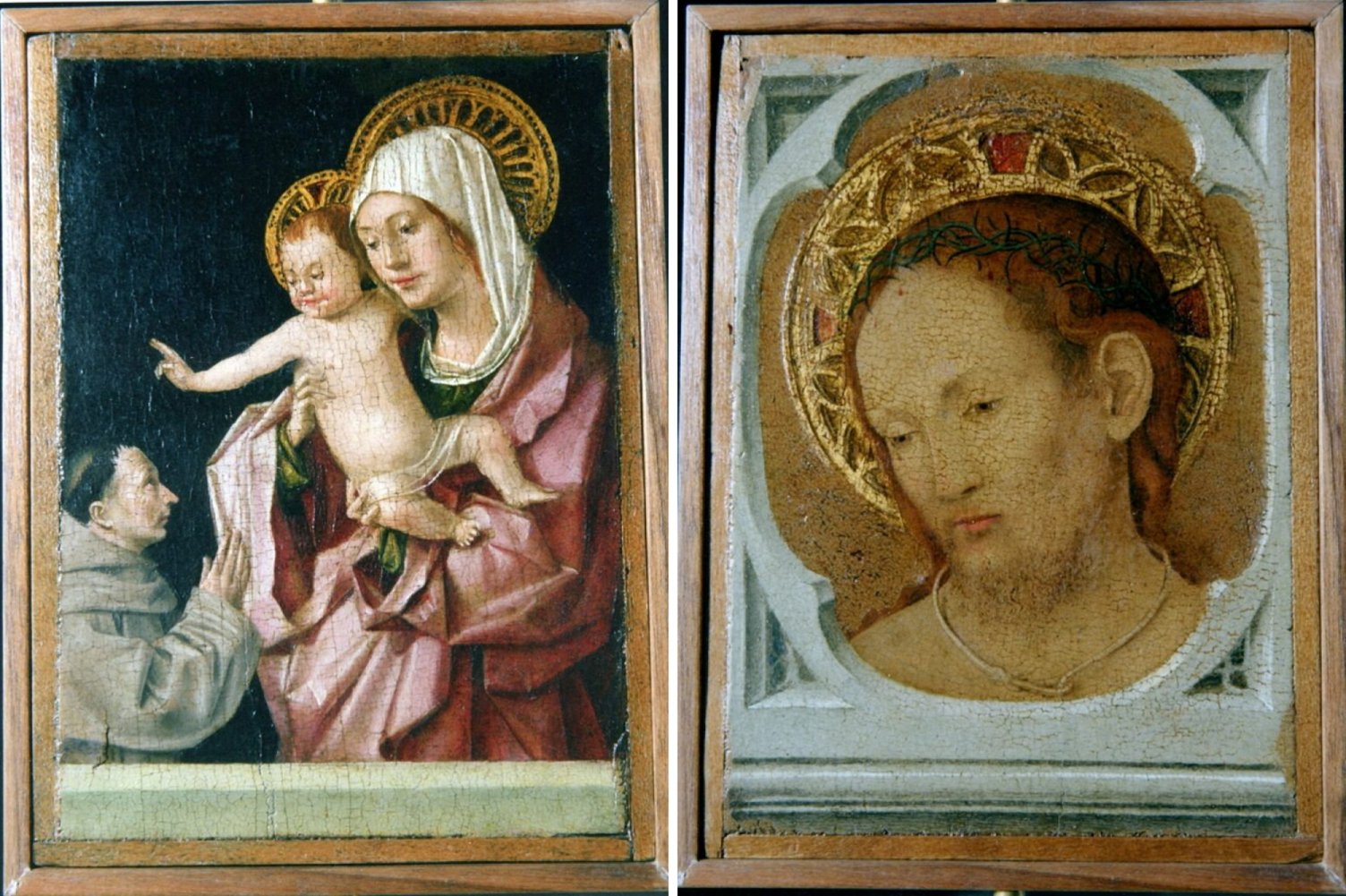
A double‑sided panel of the Madonna and Child and Christ in Pietà was also stolen.
Repercussions and Responses
Popeology and the Italian ministry of culture have called the theft “extraordinary value” loss for the museum, city and art world. Mayor Federico Basile declared the act “heinous”, pledging that Messina will not let its heritage be stolen. Security experts note that such breaches expose vulnerabilities in European museums, from secure display cases to alarm systems that may fail under sophisticated attack.
In a developed counter‑measure, Italy’s art‑crime unit recovered three artworks stolen from a museum near Parma earlier this year, underscoring the urgency of heightened surveillance and forged protective technology.