In brief
In a rare BBC interview, former Ukrainian commander‑in‑chief Oleksandr Syrskyi says Russia’s offensive ability is broken, citing a sharp rise in Russian casualties and Ukrainian technological superiority. He blames a summer clash with defence minister Mykhailo Fedorov for his dismissal, and counters claims that his tactics left troops exposed. Syrskyi notes that drones now account for a large share of Russian losses and that the use of unmanned systems has shifted battlefield dynamics. He warns European allies that the war will only grow more technologically driven and urges preparation for a potential future world‑wide conflict.
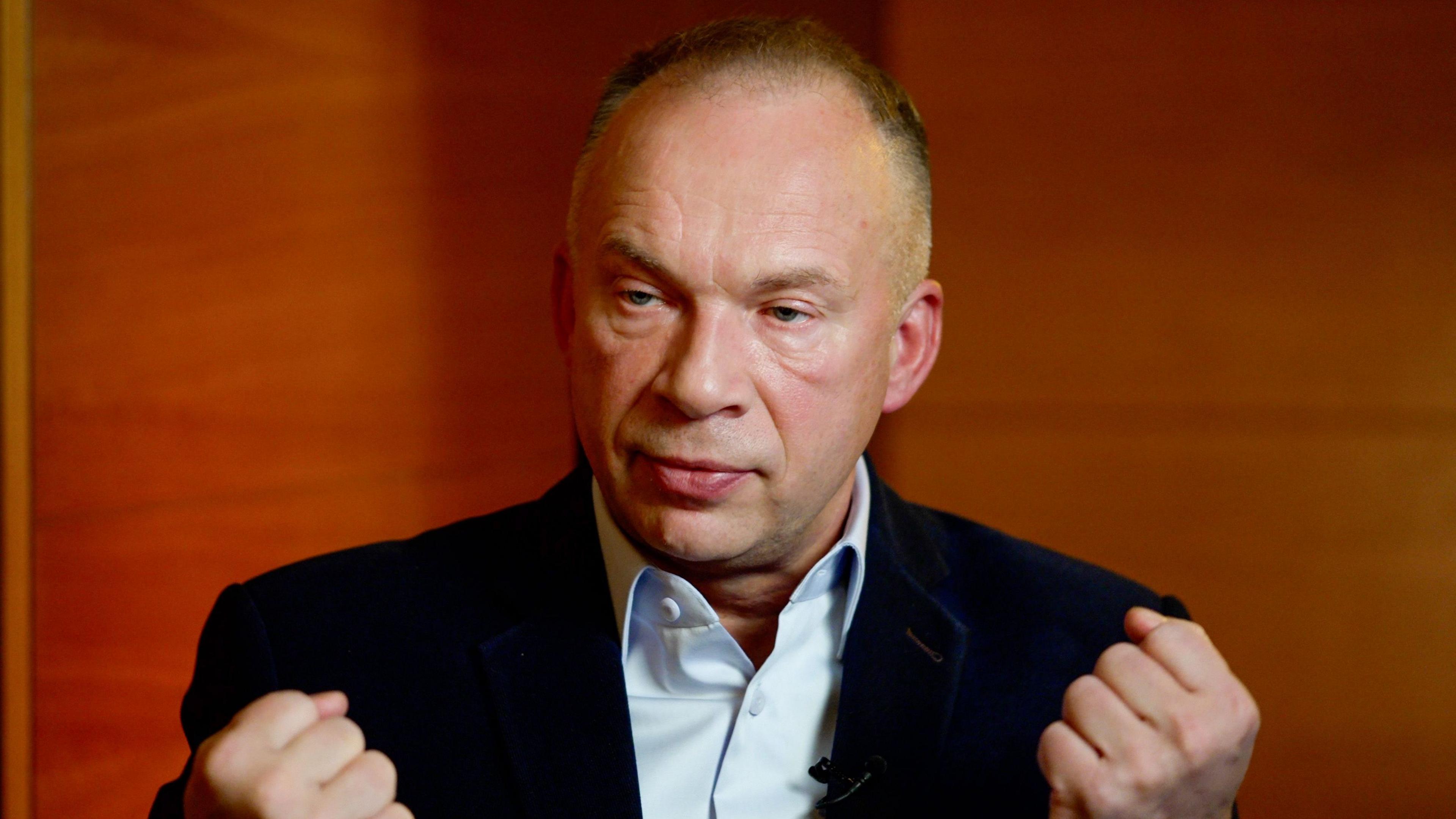
In an exclusive interview with the BBC, Colonel‑General Oleksandr Syrskyi – who led Ukraine’s army until the summer of 2026 – said Russia’s ability to push forward on the front line has effectively ended. The former commander cites heavy Russian losses, Ukraine’s drone warfare supremacy and a shift in tactical focus as key factors behind the current stalemate.
Syrskyi’s comments come after a dramatic clash with Defence Minister Mykhailo Fedorov that forced President Volodymyr Zelenskiy to dismiss the general. Syrskyi said the conflict stemmed from Fedorov’s insistence on a digital arms race that, in his view, ignored the needs of front‑line troops. “Supply decisions had to be balanced between drones and essential ground equipment – we only received half of what was needed,” he said.
The former commander rebuts allegations that Ukrainian soldiers were ordered to hold positions and suffered high casualties. He acknowledges the realism of the front line but argues that Russia’s superior force size and equipment still put Ukraine at a disadvantage. In 2025, he pointed out that Russia fielded 18 jets for every one Ukrainian, and that the Russians still owned 2.5 times more artillery pieces and shell stocks.
Syrskyi estimates that Russia has lost roughly half a million servicemen in the war, compared with about 150,000 for Ukraine. The higher casualty rate, he argues, is a direct result of Ukraine’s relentless use of unmanned systems and ground‑based drones, which have hit Russian forces from deeper than 1,200 miles behind the front.
He cites the Kursk region incursion of August 2024 as a turning point: while the operation ended in a retreat, it disrupted Moscow’s campaign and forced the Russians to reposition resources eastward, buying Ukraine time to regroup. Syrskyi maintains that the operation “was necessary” to break Russian momentum.
Looking ahead, Syrskyi warns European partners that the war will grow even more heavily reliant on robotics and artificial intelligence. While he expects new defence systems for tanks and other platforms, he insists the human operator will remain a key battlefield element.
For further reading on casualty estimates, see the CSIS report on Russian casualties and the UK intelligence estimate on Russian losses.