
In brief
The EU’s Digital Entry Exit System (EES) promised faster border checks but in Rome the new technology has doubled waiting times for UK nationals, with some passengers spending hours in line. Rome’s chief aviation officer says the cost of kiosks makes them impractical for high volumes, pushing many passengers to use e‑gates, yet the process still averages 20 minutes versus the pre‑EES seven minutes. Airlines like Ryanair advise travellers to allow extra time, while Portuguese airport authorities report bugs and server crashes that further hamper throughput. The European Commission acknowledges limited disruption overall but is pressed to provide more support and streamline the system urgently.
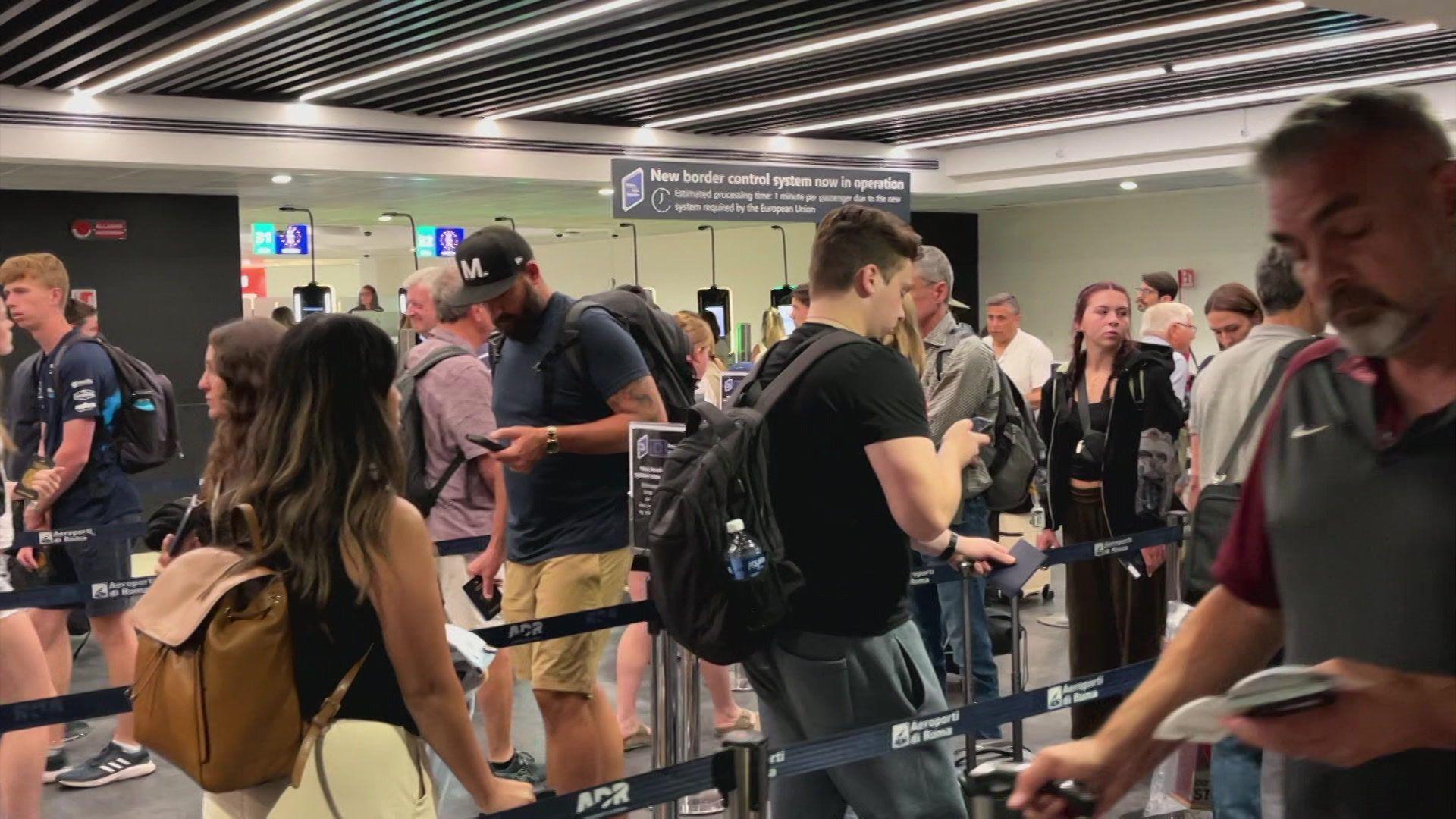
After the European Union rolled out its new Entry Exit System (EES) to replace manual passport checks, travellers from the UK are flooding Rome’s Fiumicino airport with two‑hour queues, a chief aviation officer says.
The EES requires non‑EU national passengers to register fingerprints and a passport photo on arrival – checks that run automatically in self‑service kiosks. Fiumicino’s 12‑million‑euro investment in the machines has proved ineffective for the volume of passengers, so most British‑registered travellers now use electronic gates instead. Still, the new process takes an average of 20 minutes compared with the seven minutes it used to take.
“We see one‑to‑two‑hour waits, which is not acceptable,” Ivan Bassato, chief aviation officer, tells the BBC. “The system has many duplicated steps and needs urgent fixes.”
UK airlines are urging passengers to arrive early. Ryanair warns that the so‑called “failed EES rollout” could cause missed flights and longer waits; many families, such as a Yorkshire‑based couple, have been stranded in line for two hours after landing.
Faro airport in Portugal reports similar glitches. Superintendent Pedro Oliveira says that a 10‑minute queue can now exceed 30 minutes when servers in Warsaw crash or when the EU’s shared server network suffers a fault. “The automated machine is the fastest way to clear the border, but it’s only working a fraction of the time,” he notes.
The European Commission has described disruptions as limited and pledged continued technical support, but the airports and airlines have called for a smarter, more flexible system that allows states to pause EES during peak periods.