In brief
Gianni Infantino’s tenure as Fifa president is under intense scrutiny following a plan to sell stakes in the World Cup to private investors. UEFA has threatened a boycott, while other confederations like Conmebol, AFC and Concacaf have called for a leadership review. Infantino has retained backing from Qatar and Morocco, but lack of confidence from some members is mounting. Various routes—council emergency meetings, an extraordinary congress, or a no‑confidence vote—could force his resignation. The outcome hinges on the pace of reforms, sponsor reactions and the political will of FIFA’s 211 member associations.
A bruising 24 hours – what next for Fifa and under‑pressure Infantino?
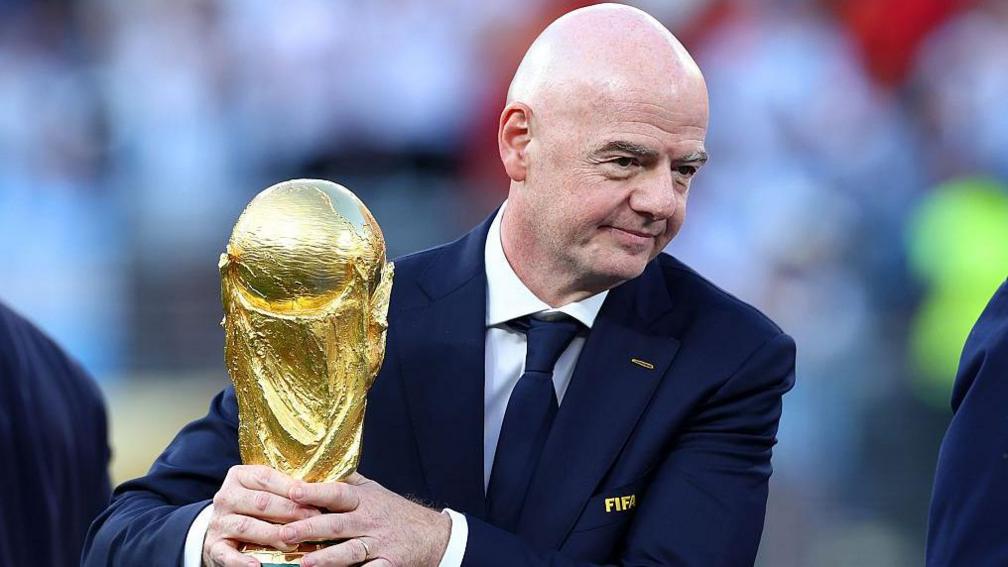
A week in football politics can change careers, a reality that stunned many after a controversial three‑day clash surrounding Gianni Infantino’s leadership at Fifa.
What’s at stake for Infantino?
Gianni Infantino was elected Fifa president in 2016 and has been a central figure in global football. Yet after attempting to sell stakes in Fifa competitions to private investors—without broad approval—he suddenly finds his position under threat.
UEFA, Infantino’s fiercest critic, has now threatened to boycott all Fifa competitions, including the World Cup, putting the tournaments in jeopardy. Conmebol, the Continent of Latin America, called for a “full review” of Fifa leadership, while the Asian Football Confederation (AFC) also stepped back from supporting him.
Two of his closest allies dropped out during the crisis: senior adviser Carlos Cordeiro and chief operating officer Kevin Lamour. That personal loss, paired with a banner statement from UEFA that it “lost confidence” in Infantino, underscores the stakes.
How could Infantino be ousted?
There are several potential routes. The simplest would be a resignation, mirroring Sepp Blatter’s 2015 exit. If Infantino refuses, a FIFA Council emergency meeting could be called after 19 of the 37 council members pass a resolution. This would trigger a two‑week meeting where a no‑confidence vote could be forced.
Should that fail, an extraordinary congress of Fifa’s 211 member associations is possible if 43 associations – one‑fifth of the body – submit a written request. This congress could lead to a vote requiring 106 votes to pass a motion of no confidence. UEFA, with 55 countries, could trigger this, but garnering 106 votes would still be challenging, as 136 associations have already rejected the investment plan.
Who could replace Infantino?
Potential replacement candidates reflect the global nature of the sport. Victor Montagliani, President of Concacaf, is seen as a possible successor given his governance reform pledge and role in the 2026 World Cup. The AFC’s president, Sheikh Salman bin Ebrahim Al Khalifa, is another potential candidate, though he may have limited appeal outside Asia. A less likely challenger is Al‑Khelaifi of the Qatar Football Association, who has defended football’s unity against the European Super League overrun.
Current likelihood of an ousting
Infantino has not yet resigned and is hoping to regain allies day by day. With Morocco and Qatar backing him, there is a slim chance of an immediate vote of no confidence. The key is whether major sponsors, who previously distanced themselves during the 2015 scandal, will retreat further.
In short, it remains a chess match: Infantino may hold his ground for the March re‑election, or he may finally concede. The next three months will determine his future and the direction of global football governance.
For more insights, watch our live commentary and join the interactive newsroom to explore the unfolding saga.