In brief
In a significant escalation of military operations, Israel has destroyed two bridges over the Litani River, claiming they were being utilized by Hezbollah for military logistics. This attack comes amidst a wider campaign in Beirut, resulting in at least 12 deaths and many injuries, while displacement crises deepen across the region. Over 968 individuals have allegedly lost their lives since the beginning of conflict on March 2, with continued air strikes impacting civilians and infrastructure.
Israeli air strikes have destroyed two bridges over the Litani River linking southern Lebanon with the rest of the country, the military reports. This action was taken shortly after the Israeli military announced intentions to target crossings allegedly used by Hezbollah for the movement of fighters and weapons.
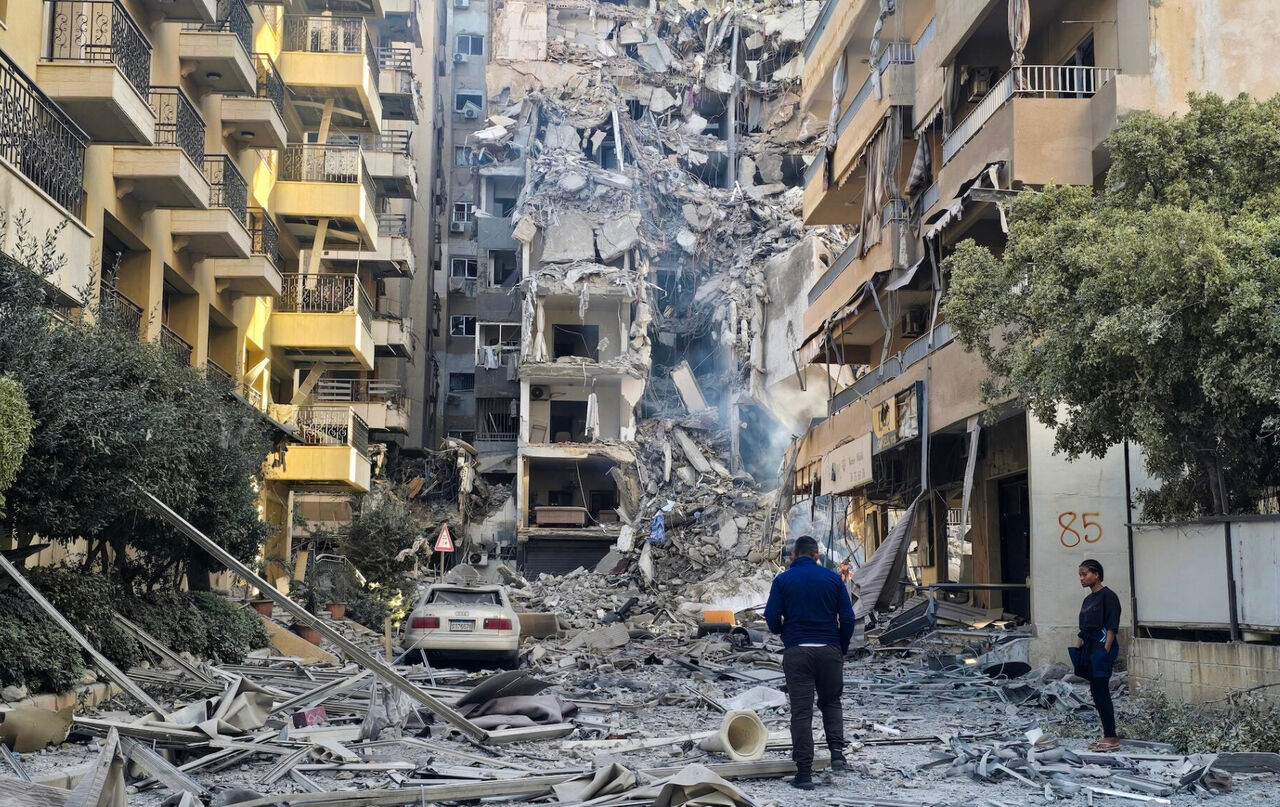
In addition to targeting the bridges, Israeli strikes on Beirut have resulted in at least 12 fatalities and 27 injuries according to Lebanese health officials. This marks a significant expansion of Israeli military operations beyond the southern suburbs into central Beirut.
The Lebanese health ministry estimates that 968 individuals, including 111 children, have perished since the onset of this recent conflict on March 2. This escalation not only signifies increased military aggression but also exacerbates an ongoing humanitarian crisis, with over a million people displaced from their homes, primarily from southern and eastern Lebanon.
Lebanon found itself entangled in the US-Israel conflict against Iran, following rocket attacks by Hezbollah into Israel, which prompted a robust Israeli military response that now includes ground troops. Israeli Defence Minister Israel Katz stated that the bridges were specifically targeted to disrupt Hezbollah's use of Lebanon's state infrastructure for terrorist activities.
Moreover, recent Israeli warnings to evacuate civilians in the southern regions have added urgency to an already dire situation, deepening the humanitarian crisis. The Litani River has long been central to the fragile security matrix in Lebanon, governed by UN Security Council Resolution 1701, which prohibits armed groups from operating in southern Lebanese territories.
As the conflict intensifies, civilians continue to bear the brunt of military operations, experiencing significant casualties and infrastructure destruction.