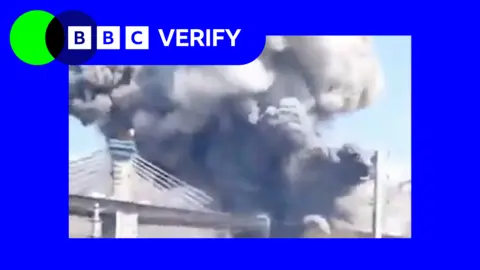
In brief
Recent airstrikes by US and Israeli forces on key Iranian infrastructure have raised significant concerns regarding civilian casualties and compliance with international law. Confirmed reports indicate heavy damage to bridges, steel plants, and hospitals, leading to accusations of potential war crimes. With President Trump's ultimatum to Iran stimulating military actions, the situation continues to escalate, impacting ordinary Iranians' lives.
Escalating Tensions: The Impact of US-Israeli Strikes on Iranian Infrastructure
Recent airstrikes by the United States and Israel have targeted infrastructure critical to Iran, drawing international condemnation and raising concerns of war crimes. Following President Trump's threats to decimate Iranian infrastructure if an acceptable deal is not reached, strikes have resulted in substantial civilian distress.
Official reports confirm that significant military operations have damaged essential infrastructures like bridges, steel plants, and hospitals. The destruction leads to a growing humanitarian crisis in Iran, as ordinary citizens bear the brunt of these military actions.
Since the conflict reignited, specific strikes against civilian sites have intensified, prompting accusations from various political figures and expert commentators suggesting that many of these actions could potentially be categorized as war crimes under international law.
Among the targeted sectors, significant impacts have been reported in education, health care, and the steel manufacturing sector, crucial to Iran's economy. Experts have weighed in, indicating the high risk of starvation and disease due to disrupted access to basic amenities.