
In brief
A 36‑year‑old Iraqi Kurd, Twana Jamal, convicted in France for running a high‑paying smuggling operation, is now living in Leicestershire. BBC investigators found him operating in local mini‑mart warehouses, driving unlicensed vehicles and aficionado of local trade. He claims asylum yet evidently remains active. Similar cases show over 20 smugglers on UK soil, exposing weaknesses in security checks after the UK’s exit from EU data‑sharing agreements.
A convicted people smuggler, once dubbed the "godfather" of French migrant camps, is now living and working in Leicestershire, UK, while allegedly seeking asylum.
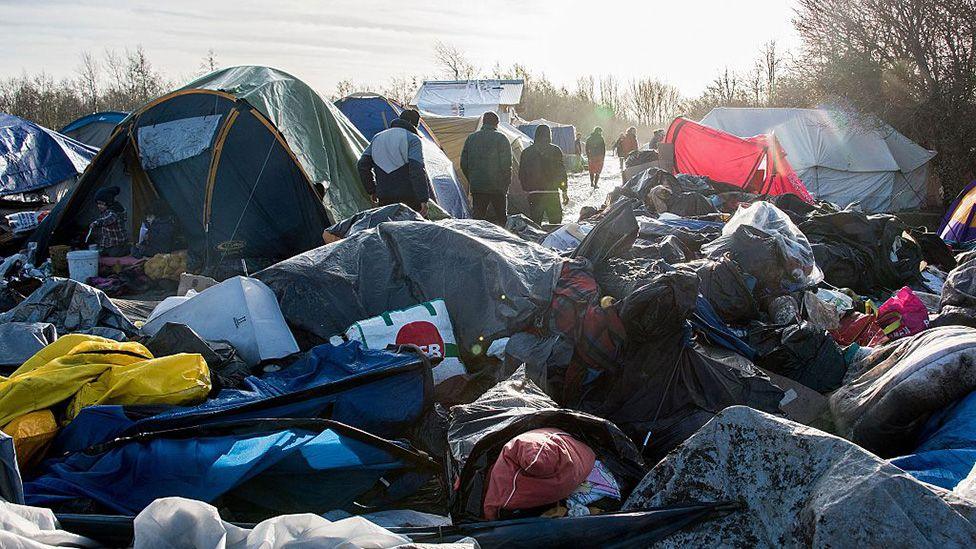
Twana Jamal received a five‑year prison sentence in France in 2016 for organising illegal crossings across the Channel, earning up to £100,000 per week. Criminal records show he operated out of the Grande Synthe camp near Dunkirk, charging customers £4,500‑£5,000 for a lorry‑based passage.
After a tip this year, BBC investigators traced Jamal to Blaby, a 6,000‑person village on Leicester’s outskirts. They witnessed him manoeuvring a car without a licence, staffing the till at two neighbouring mini‑marts called Candy Corner and moving stock into the warehouses.
Jamal tells interviewers he has lived in the UK since 2009 and is “still waiting” for an asylum decision. When shown photographs of his 2016 French court appearance, he neither denies it nor claims innocence, simply stating “I don’t care.” He also refused to verify his identity by name, citing the Home Office’s knowledge of it.
The defending security context is stark: post‑Brexit, the UK no longer shares criminal‑record databases with many EU countries, complicating checks against overseas convictions. The Home Office confirms mandatory security checks during asylum claims but acknowledges the system’s limits against foreign data.
BBC findings point to at least 20 other people smugglers on UK soil with overseas convictions, some still in hiding and others actively engaged in new smuggling networks. The situation calls into question whether the current approach to asylum and criminal checks is sufficient.
To hear more on the investigations, listen to the BBC Radio 4 podcast episode “To Catch A King”.