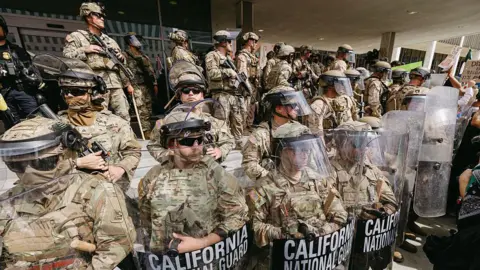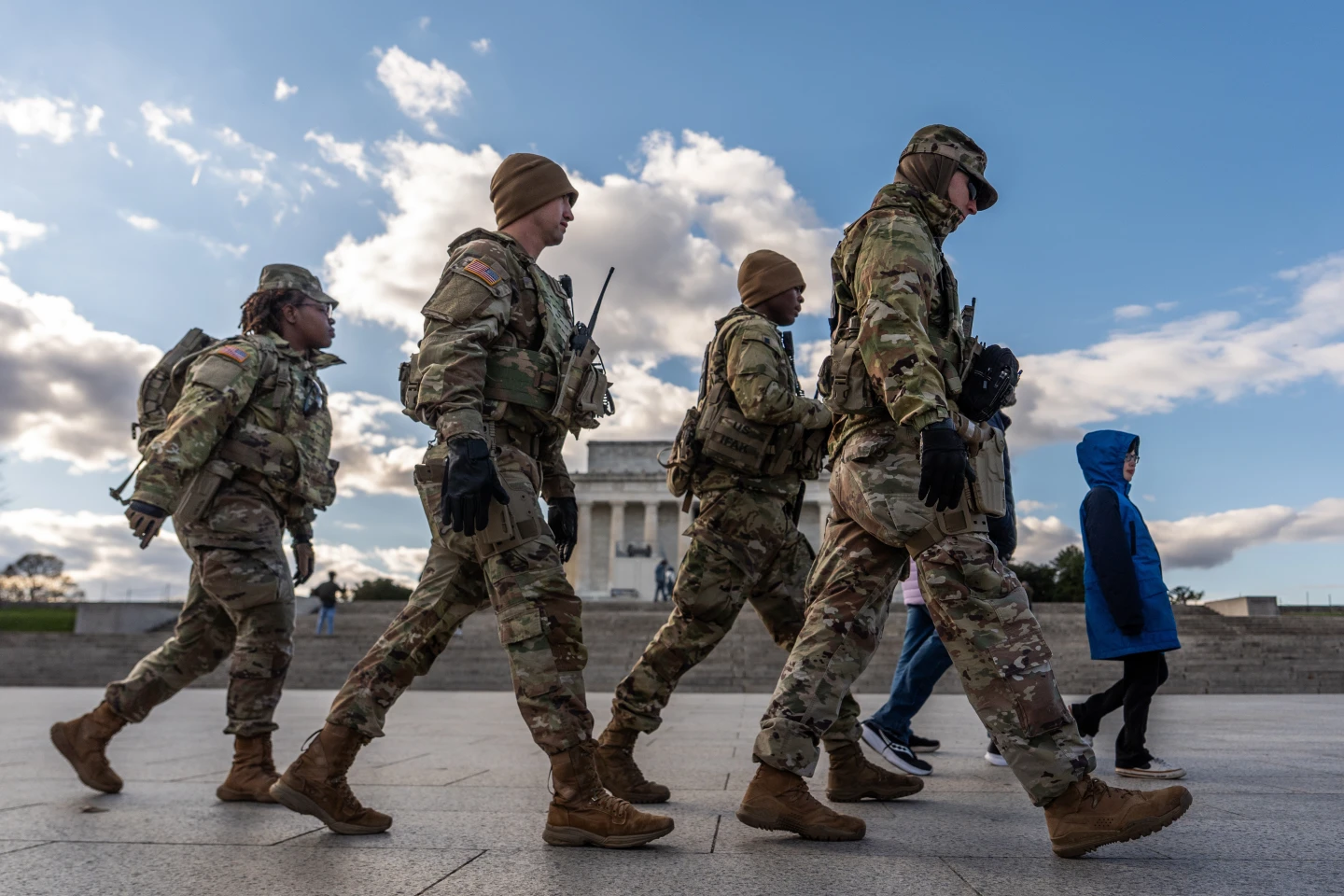
WASHINGTON (AP) — In a historic move, senators are preparing to question military leaders about President Trump’s deployment of the National Guard in American cities, a situation that has raised numerous legal and constitutional questions, particularly regarding states' rights and use of military force on domestic soil.
The Senate Armed Services Committee hearing scheduled for Thursday is expected to involve pointed inquiries directed at Pentagon officials concerning the legality of these deployments, some of which took place over the objections of local officials, including mayors and governors.
This hearing marks the first significant oversight Congress has exerted over Trump’s military actions outside of a judiciary setting since the National Guard deployments began. The scrutiny comes in light of a recent ruling that challenges Trump’s authority to deploy troops without state approval, and amid heightened tensions regarding the military's involvement in civilian law enforcement.
Trump has defended his actions, claiming that the National Guard’s presence is necessary to support federal law enforcement efforts, secure federal properties, and combat crime. However, critics, including Democratic Senator Tammy Duckworth, have voiced concerns over the implications of deploying military personnel domestically, particularly when such actions pertain to immigration enforcement.
Duckworth stated, Donald Trump is illegally deploying our nation’s service members under misleading if not false pretexts. She expressed worries about the readiness and training of the Guard, as well as the potential legal ramifications for troops involved in enforcing immigration laws.
Amid these developments, federal judges in states like California have initiated legal challenges to such deployments, further complicating Trump's military policies. The National Guard’s mobilization for immigration enforcement is particularly controversial as it diverges from traditional roles during natural disasters and public safety initiatives.
As the Senate prepares for this unprecedented inquiry, questions about the intersection of military power, state rights, and civil authority remain at the forefront of American governance and political discourse.