In brief
Alex Pretti, a 37-year-old protester, was shot by Border Patrol agents during a protest in Minneapolis regarding President Trump's immigration policies. Officials characterized Pretti as a potential threat but eyewitness video and conflicting statements raise questions about the circumstances surrounding his death. Protests erupted in response, highlighting deep divisions over immigration enforcement.
During a tense standoff between protesters and federal agents in Minneapolis, Alex Pretti, a 37-year-old intensive care nurse, was killed by gunfire. Initial accounts from the Trump administration painted Pretti as an armed aggressor, intent on harming law enforcement. However, footage from the scene suggests a contrasting narrative.
In a video released by various news organizations, Pretti is seen interacting with law enforcement, holding only his phone, with no visible weapon drawn. This contradicts claims made by officials like Border Patrol's Greg Bovino, who stated that Pretti aimed to 'massacre law enforcement.'
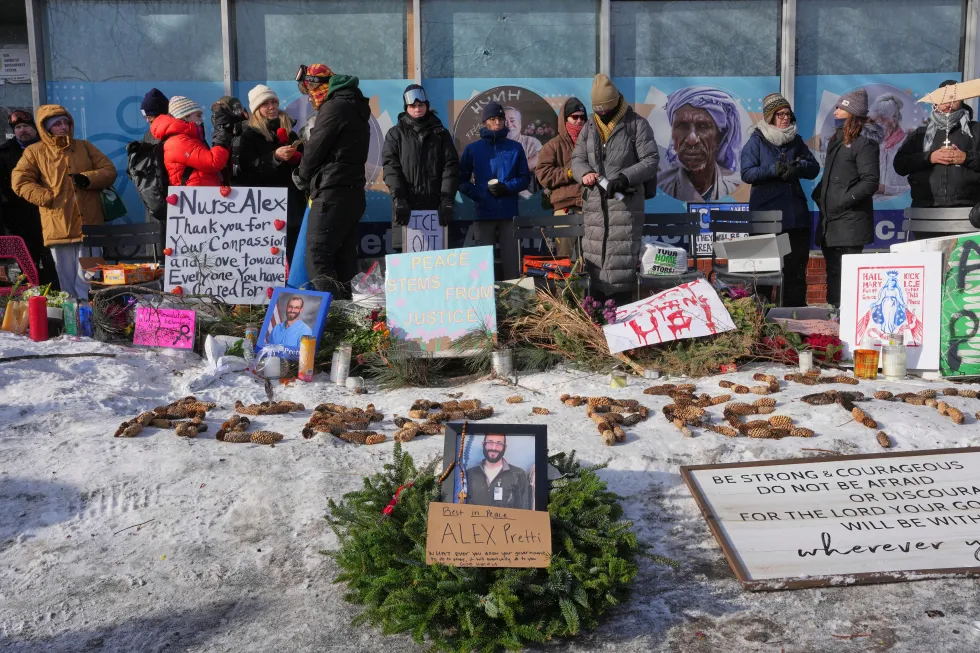
The incident has sparked national debate, with many asserting that the protest was a response to President Trump's stringent immigration protocols. Pretti's death has fueled further protests, with activists arguing that such federal actions exemplify systemic injustices against marginalized communities.
In subsequent statements, President Trump attributed the unrest to Democratic policies and called for greater cooperation with immigration authorities, echoing sentiments that local leaders had incited chaos.
As multiple investigations remain ongoing, this tragic incident has highlighted the complexities and potential ramifications of immigration enforcement at a national level, revealing stark divisions within communities and government.