
In brief
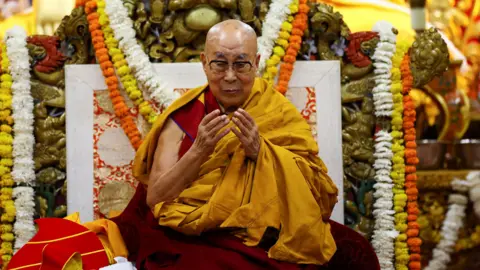
China has condemned the Dalai Lama's recent Grammy win, stating that it is an act of political manipulation against the nation. The spiritual leader’s recognition in the audiobook category highlighted the decade-long tensions between the Tibetan leader, who lives in exile, and the Chinese government, which considers him a rebel. The Dalai Lama accepted the award with humility and gratitude, emphasizing a message of universal responsibility.
In a notable turn of events at the Grammy Awards, the Dalai Lama emerged victorious in the audiobook category for his work on Meditations: The Reflections of His Holiness the Dalai Lama. However, the win has sparked outrage in China.
The Chinese government has expressed its displeasure, accusing the organizers of using artistic achievements for 'anti-China political manipulation.' The foreign ministry spokesperson, Lin Jian, remarked, 'We firmly oppose relevant parties using art awards as a tool for anti-China political manipulation, and this position is consistent and clear.'
The 90-year-old Dalai Lama, who has lived in exile since the Chinese takeover of Tibet in 1959, accepted the Grammy with 'gratitude and humility,' stating that he views it not as a personal accolade but as recognition of a shared universal responsibility.
Collecting the award on his behalf was musician Rufus Wainwright, who contributed to the audiobook alongside the Dalai Lama. In a message shared on social media, the Dalai Lama expressed his appreciation for the recognition.
Additionally, China's criticism comes amidst ongoing concerns regarding the Dalai Lama's succession, a process that China insists must align with its laws and be sanctioned by its government. With the tensions between the Tibetan spiritual leader and Beijing continuing to simmer, the Grammy award incident serves as a reminder of the complex geopolitical landscape surrounding Tibetan autonomy and cultural identity.
In summary, the Dalai Lama’s Grammy recognition has ignited reactions that underline the fraught relationship between the exiled leader and the Chinese authorities, all framed within the broader context of Tibet’s quest for autonomy.