In brief
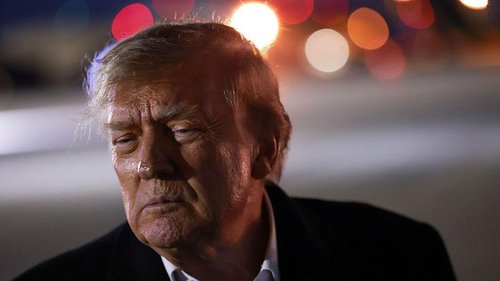
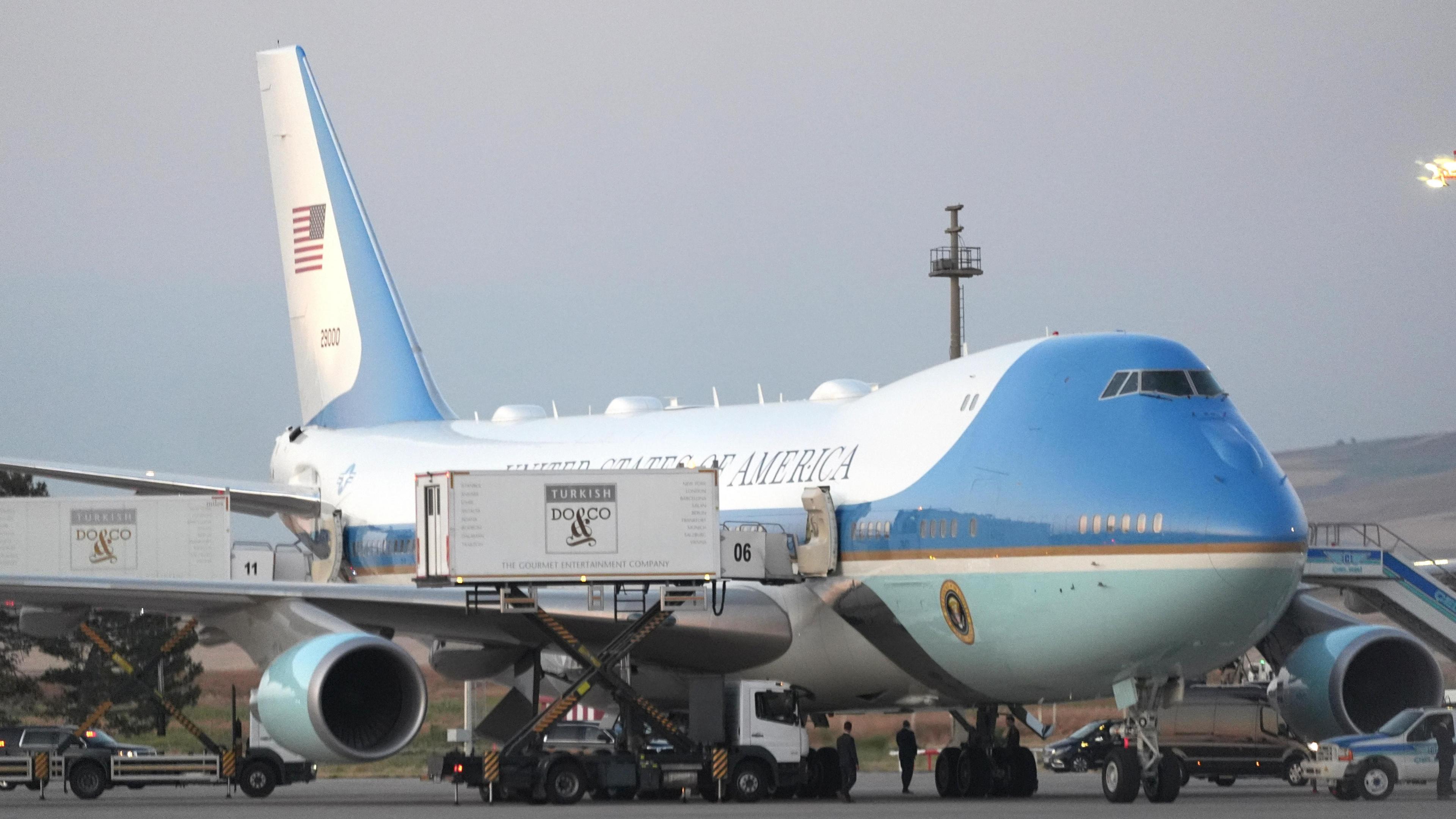
During a July 8, 2026 departure from Ankara, President Donald Trump slipped onto a catering truck and boarded a hidden aircraft, while Cabinet members Marco Rubio and Scott Bessent remained on the initial plane identified as Air Force One. According to CBS News, the decoy was used to keep the presidential succession order intact in case of a threat, and the swap was carried out at the behest of the Secret Service and U.S. military. Trump said the decision was made to navigate security concerns around Iran, though no details were disclosed. The incident illustrates common use of decoy tactics in presidential travel.
When the former president boarded Air Force One on 8 July 2026 in Ankara, he was accompanied by Cabinet officials Marco Rubio and Scott Bessent, along with the White House press pool. However, moments later he slipped into a lunch‑catering truck and was whisked away as the real aircraft detached and flew to its destination in Turkey.
The move was orchestrated by the Secret Service and U.S. military, according to Trump’s own statements. While the president was hiding on the truck, the initial jet kept its Air Force One call sign, acting as a decoy to protect the leadership chain. Officials on board were therefore left in place to preserve the presidential line of succession in case of a sudden incapacitation.
Trump explained on a press call that threats linked to Iran prompted the covert switch. “The Secret Service wanted me to go in a different flight,” he said, adding that “any consequential president has a lot of threats.” Officials who stayed aboard included Secretary of State and Treasury Secretary, as well as White House Deputy Chief of Staff Stephen Miller and communications director Steven Cheung.
Decoy tactics are not novel. In 2000, President Bill Clinton flew to Islamabad on an unmarked jet while a prop‑of the Air Force One livery departed first. Such maneuvers keep journalists and the public in the dark to preserve operational secrecy.
No public safety positions were disclosed for the occupants of the decoy aircraft, and the White House Correspondent’s Association has yet to comment. The operation reflects the complex logistics behind protecting heads of state during international travel.