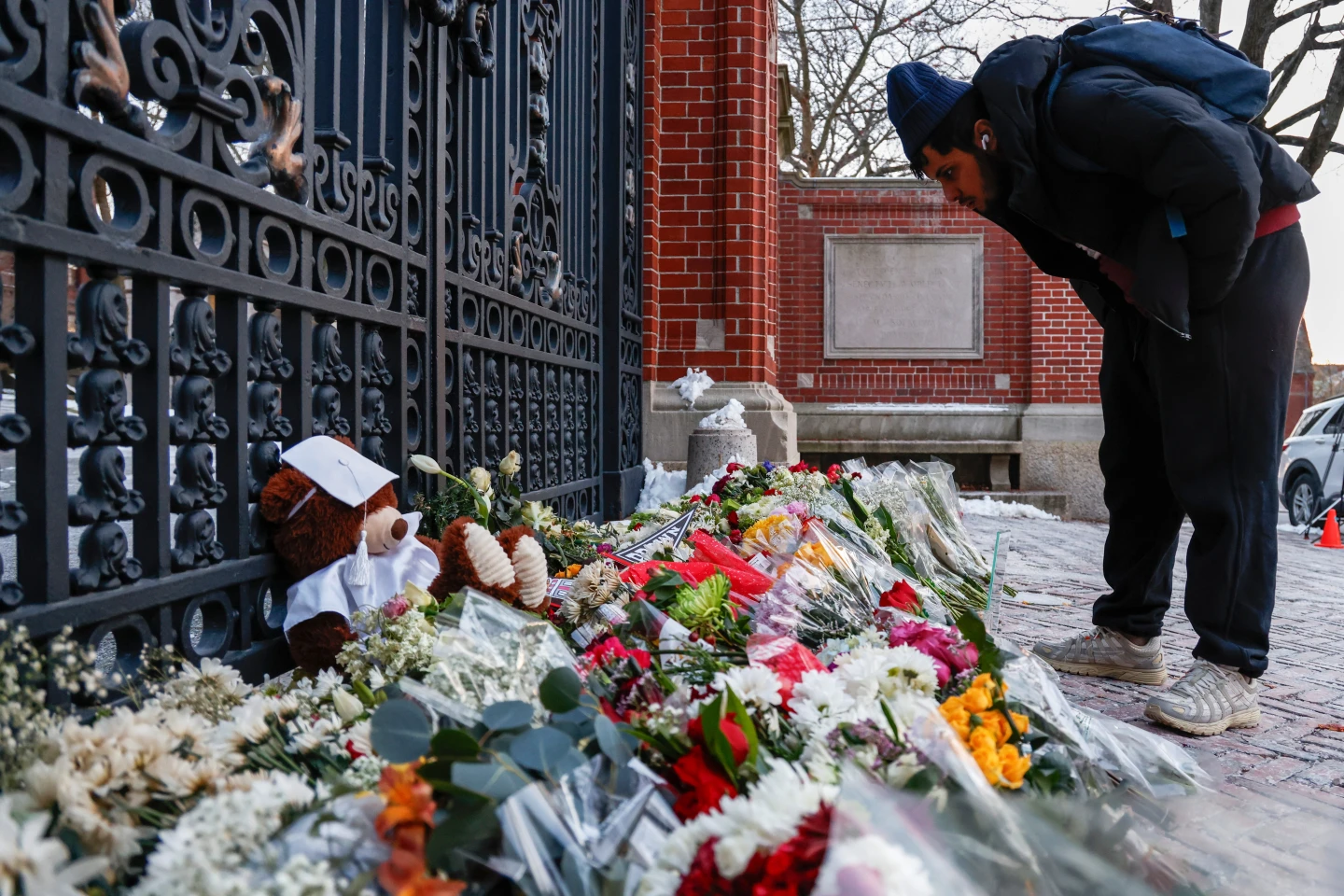
The ongoing effort to find a man who walked onto Brown University’s campus during a busy exam season and shot nearly a dozen students in a crowded lecture hall has raised questions about the school’s security systems and the urgency of the investigation itself.
A day after Saturday’s mass shooting, officials said a person of interest taken into custody would be released without charges, leaving investigators with little actionable insight from the limited security video they had recovered. Law enforcement officials were still doing basic investigative work two days after the shooting that killed two students and wounded nine, canvassing local residences and businesses for security camera footage and looking for physical evidence. That’s left students and some Providence residents frustrated at gaps in the university’s security and camera systems that helped allow the shooter to disappear.
Li Ding, a student at the nearby Rhode Island School of Design, expressed frustration, stating, “The fact that we’re in such a surveillance state but that wasn’t used correctly at all is just so deeply frustrating.”
Ding is among hundreds who have signed a petition for increased security at school buildings, indicating that officials need to do a better job keeping the campus secure against threats like active shooters. Kristy dosReis, chief public information officer for the Providence Police Department, asserted that the investigation remained active, as police and the FBI released new video and photographs of a man believed to be involved in the attack.
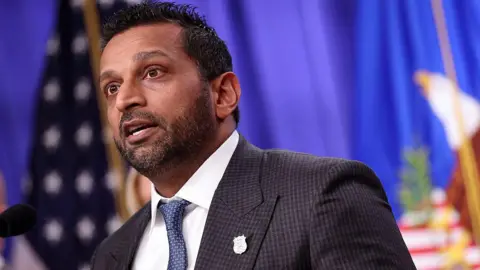
Special Agent in Charge Ted Docks highlighted the pains of the investigation, offering a $50,000 reward for information leading to the identification and conviction of the shooter. He urged public patience, noting that it’s “painstaking work” to gather and document evidence.
The shooting further exposed weaknesses in Brown’s security infrastructure, particularly the absence of security cameras in the targeted building. While the emergency alert system kept students informed, confusion remained about how to respond during a campus lockdown.
Experts say that institutions often find it challenging to manage threats like active shooters due to funding constraints and training gaps in campus security staff. As the investigations proceed and communities grow more anxious, calls for reform and improvement in campus safety measures are gaining momentum.
A day after Saturday’s mass shooting, officials said a person of interest taken into custody would be released without charges, leaving investigators with little actionable insight from the limited security video they had recovered. Law enforcement officials were still doing basic investigative work two days after the shooting that killed two students and wounded nine, canvassing local residences and businesses for security camera footage and looking for physical evidence. That’s left students and some Providence residents frustrated at gaps in the university’s security and camera systems that helped allow the shooter to disappear.
Li Ding, a student at the nearby Rhode Island School of Design, expressed frustration, stating, “The fact that we’re in such a surveillance state but that wasn’t used correctly at all is just so deeply frustrating.”
Ding is among hundreds who have signed a petition for increased security at school buildings, indicating that officials need to do a better job keeping the campus secure against threats like active shooters. Kristy dosReis, chief public information officer for the Providence Police Department, asserted that the investigation remained active, as police and the FBI released new video and photographs of a man believed to be involved in the attack.
Special Agent in Charge Ted Docks highlighted the pains of the investigation, offering a $50,000 reward for information leading to the identification and conviction of the shooter. He urged public patience, noting that it’s “painstaking work” to gather and document evidence.
The shooting further exposed weaknesses in Brown’s security infrastructure, particularly the absence of security cameras in the targeted building. While the emergency alert system kept students informed, confusion remained about how to respond during a campus lockdown.
Experts say that institutions often find it challenging to manage threats like active shooters due to funding constraints and training gaps in campus security staff. As the investigations proceed and communities grow more anxious, calls for reform and improvement in campus safety measures are gaining momentum.