In brief
In north‑western Nigeria, a boat carrying more than 70 passengers capsized near Gorau, killing at least 46 people, many of them children. Rescue crews recovered 16 survivors and 15 missing persons, while 50 bodies were found in a community mosque. The disaster highlights frequent river incidents caused by over‑crowding, poor maintenance and weak enforcement of safety rules. Authorities have urged the provision of safer boats, life jackets, dredging of water channels, and better training for operators.
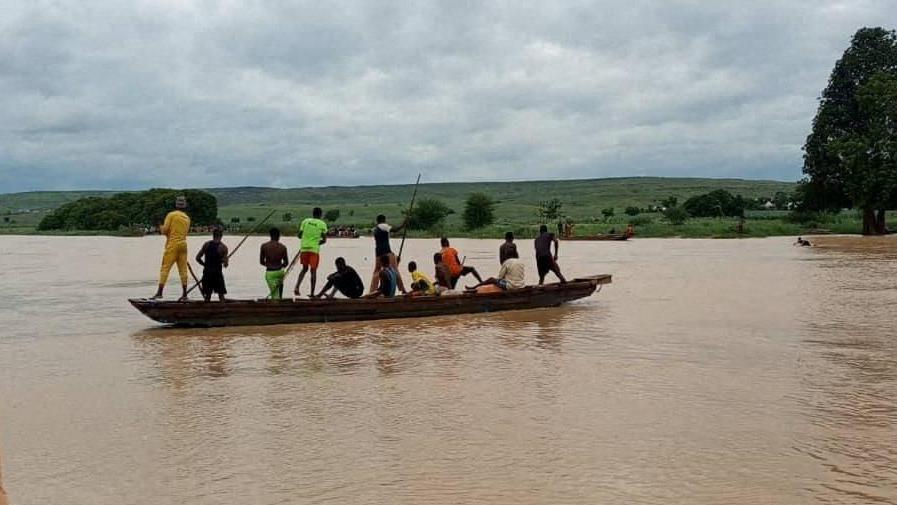
At least 46 people have died following a boat capsizing in north‑western Sokoto State, Nigeria. The vessel was carrying over 70 passengers, mainly children, and rescue operations are still underway.
Police spokesperson Ahmad Rufai told the BBC that 46 bodies were discovered near Gorau in Gorony. Sixteen individuals have been safely recovered, while 15 remain missing. The remote site poses challenges for emergency crews, who are moving teams to the uneven terrain.
One witness reported seeing 50 bodies, many wrapped in mats and traditional cloths, lying in front of a community mosque before burial. He also noted that the children were traveling with farm workers heading to a rice harvest.
Nema spokesperson Ezekiel Manzo described Gorau as a very remote place. Boat accidents are common in Nigeria, often due to overcrowding, badly maintained vessels, and weak enforcement of safety regulations.
Similar tragedies have occurred recently: an overturned boat in Jigawa State last month killed a minimum of five people, another capsized in January with 26 deaths, and a December accident on the River Niger recovered 54 bodies from a possibly overcrowded vessel.
Authorities recommend measures such as safer boats, life jackets, dredging waterways, deploying water guards at jetties, and ensuring operators are properly trained and licensed. Many of these measures remain under‑implemented.
For millions of Nigerians in rural areas, rivers are vital for transport. Poor road networks and insufficient bridges make water travel essential for accessing markets and neighboring communities. Wooden boats, though ubiquitous, often carry goods and people to markets and other communities.