In brief
In a protest‑filled rally in Sao Paulo, Argentina’s new president Javier Milei unleashed a barrage of insults targeting Brazil’s President Lula, labeling him a thief and convict and calling him a ‘bald trash’ justice figure. The remarks, although indirect, breached diplomatic protocol, leading Brazil to recall its ambassador to Argentina and initiate protests. Lula responded, vowing to run without interference. The episode highlights rising tensions as both nations brace for October’s election, with Bolsonaro’s son Flavio Bolsonaro campaigning alongside Milei. The broader context includes past corruption trials for both leaders, intensifying an already stabbily divided region.
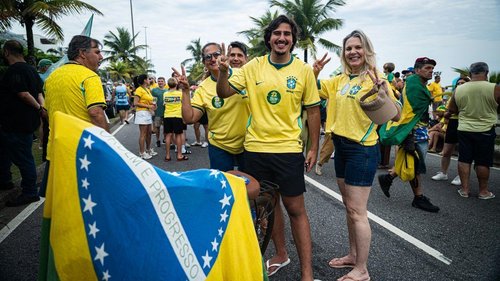
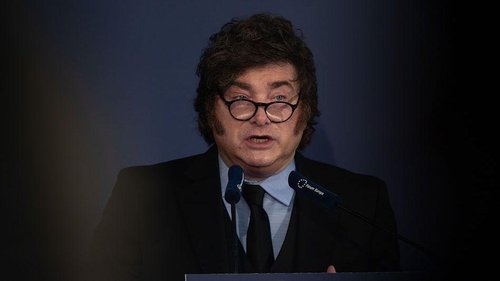
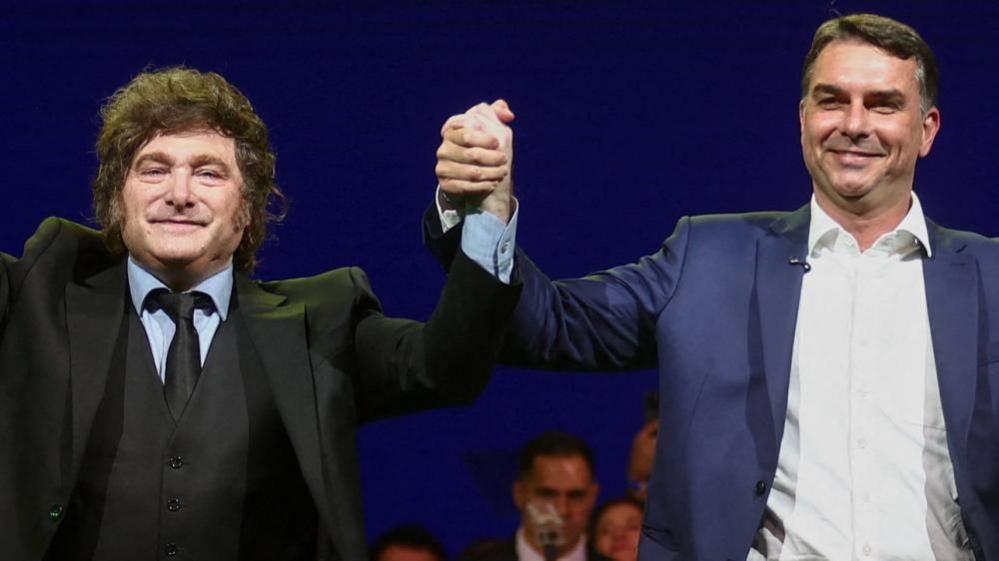
Argentina’s new president, Javier Milei, slid into a vitriolic attack on Brazil’s President Luiz Inácio Lula da Silva during a rally in São Paulo that marked the launch of Flávio Bolsonaro’s candidature for October’s presidential election. Rather than naming Lula directly, Milei branded him a “thief” and a “convict,” and even called the Supreme Court justice who sentenced the ex‑president a “bald trash.”
In a response that underscored the seriousness of the remarks, Brazil’s foreign ministry immediately announced that it would recall its ambassador to Buenos Aires. The move was a clear signal that the Brazilian government “does not accept” such appraisals of its leader or of its democratic institutions.
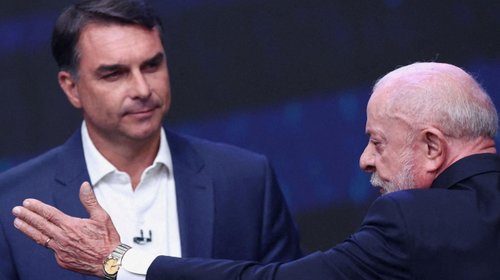
Lula, who returned to power in 2023 after a 2021 annulment of criminal convictions, replied to the insults by pledging that he would run for a new term “without anyone’s interference” and that Brazilian sovereignty would not tolerate foreign meddling. He further underlined that Brazil had no tolerance for external scorn.
The episode unfolds amid rising tensions in the region, with both nations preparing for the October electoral showdown. Flávio Bolsonaro, son of the then‑out‑of‑office President Jair Bolsonaro, is campaigning alongside Milei, adding a layer of domestic rivalry to what is already a precarious foreign‑policy dance.
This diplomatic flare‑up is set against a backdrop of a history of corruption trials. Lula’s earlier 2018 conviction for corruption and bribery was overturned in 2021, while Jair Bolsonaro’s 2019 jail sentence for plotting a coup remains a point of international scrutiny. The two leaders, each with a controversial past, now face an electorate that is sensitive to both corruption allegations and the robustness of democratic institutions.
The reciprocal read‑of the comments signals an escalating standoff that could shape the political landscapes of both Argentina and Brazil. Analysts will watch closely as they assess whether such confrontations might influence voter turnout, international alliances, or future diplomatic protocols as the two countries inch toward a potentially volatile October.