
In brief
In a whitewashed basement a dozen Afghan women control a jam‑making workshop run by Najia, a 47‑year‑old entrepreneur, revealing one of the few safe spaces where women can earn a living. Despite Taliban edicts that forbid girls to attend school and require men to represent women at market stalls, the regime’s international outreach has broadened, forming deals with Beijing, Moscow and others while still facing sanctions and aid cuts. Diplomatic engagement is slow and often perceived as one‑sided; UN efforts framed around prison reforms and humanitarian access coexist with pushback from the Taliban for deeper reforms. The international community is split between isolation, human‑rights pressure and pragmatic negotiations, while Afghan voices argue that change can only come from within the country. On the ground, women and aid workers try to create workarounds, but many fear the West’s talks may be too light to achieve lasting progress.
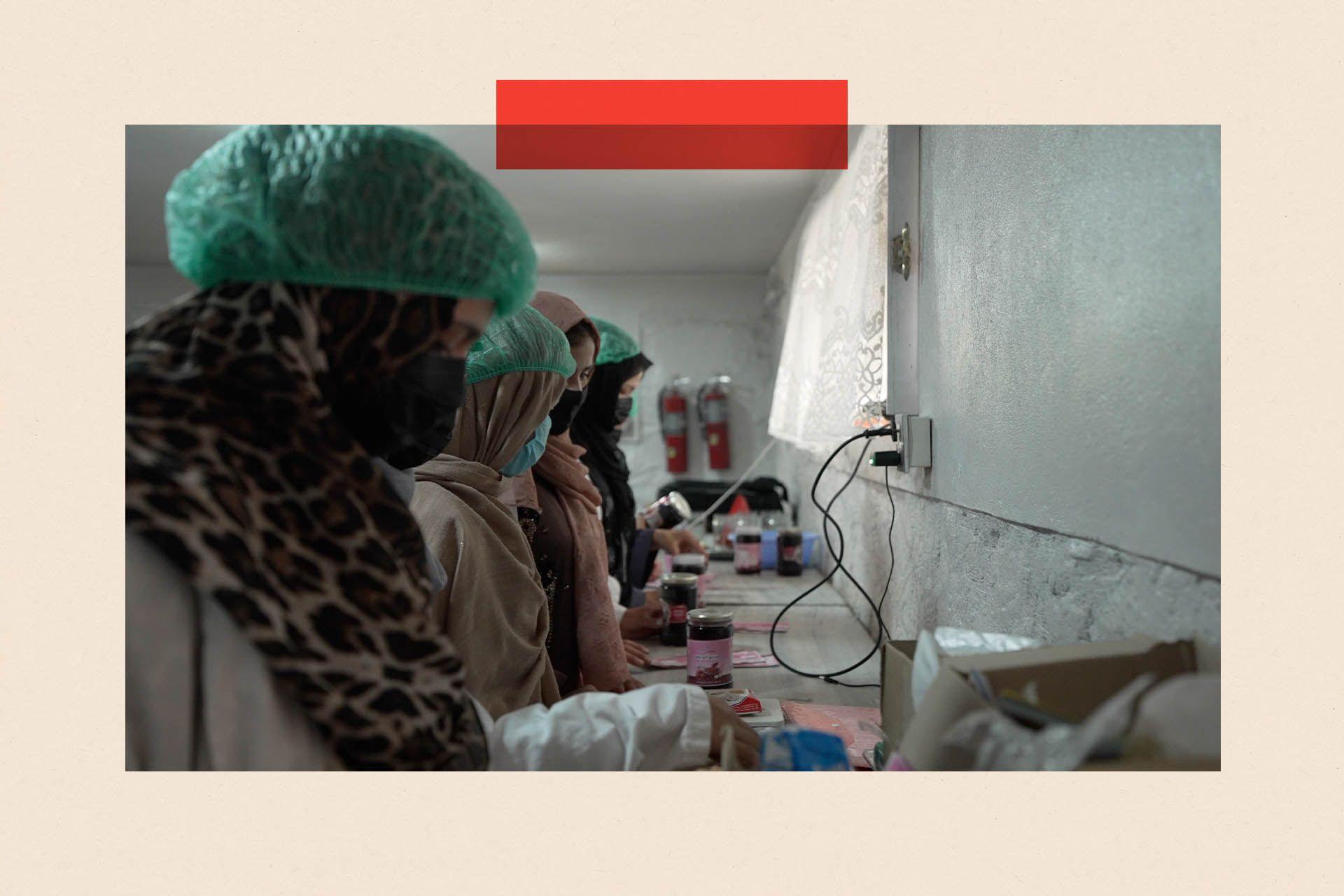
In a white‑washed basement south of Kabul, a dozen young Afghan women bustle about, stirring cauldrons of cherries and plums while labeling jam jars on a long table. The workshop, run by 47‑year‑old Najia who was married at 14, remains one of the rare places where women can learn a skill and sell it, a luxury denied in most parts of the country. Yet the Taliban’s new rules now require women to ask a male relative to bring their products to market, and only men can occupy stalls at trade fairs – a move justified by claims that women are not wearing proper hijab.
“The world has to talk to the Taliban in a different way because it’s just not working,” Najia told us. “The lives of Afghan women have to change because we’re losing hope.”
Engage, not isolate
The United Nations argues that engagement – even where the Taliban’s edicts are harsh – has produced some incremental progress. Prisoner‑rights reforms, discussions on the Moral Code, and stepped humanitarian access have been achieved through on‑site UN representatives who insist that “engagement is slow, progress is incremental, and reversals are frequent.”
The Emir’s policy of absolute control is hard to bend, even when some Taliban officials speak out. A recent nationwide internet shutdown was reversed after setbacks, but education remains a hard‑line issue.
The West’s divided response
Western priorities vary from human‑rights advocacy to investment opportunities. Some analysts see that a “real change” can only come from within Afghanistan. Yet the U.S. has removed its special envoy and cut funding to USAID, while the EU held a technical‑level meeting with Taliban diplomats in Brussels that critics label “creeping normalisation.”
“Even within Taliban ranks, there is frustration that the world does not seem willing or able to forge a different kind of relationship,” a senior UN official said anonymously.
On the ground: Women’s resilience
In provincial towns, aid agencies work closely with Afghan staff to negotiate workarounds – private rooms, separate floors, or gender‑segregated offices – so women can work in limited sectors. Chris Kinder, chairman of Afghanaid, says real change comes from “relationships, day‑to‑day negotiations” that try to respect both Taliban red lines and donor principles.
When women activists, diaspora groups, and human‑rights charities accuse the Taliban of one‑way dialogue, they push for conditions very early: demands for clearer guarantees that women’s rights are protected before aid is discussed.
Voices from Kabul
Mahbouba Seraj, 78, ran a shelter for abused women until the Taliban shut it in December. “They have to talk, but they have to make sure that when they sit down and talk, it’s not just a lot of people just filling the air,” she says. Her story mirrors that of many Afghan women who hope the state will not forget them amid the crisis of 22 million who need foreign assistance.
In the meantime, the Taliban’s control continues, but their government has slowly consolidated power, while still facing intermittent attacks from opposition groups and a broken humanitarian situation driven by natural disasters and war.
Back in Najia’s jam workshop, a table bristling with framed training certificates from now‑defunct USAID marks her fight for empowerment under a regime that keeps tightening its grip on women’s lives. Her story illustrates the broader dilemma: Afghan women persist but hope that the West will not abandon them.
Lead image: Getty