
A city on the front‑line turned death‑zone by drones
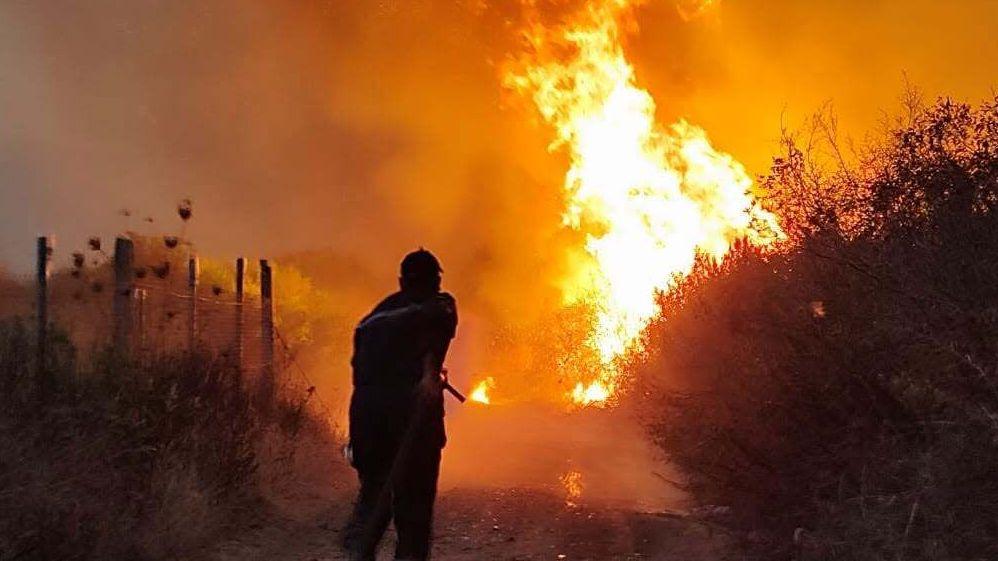
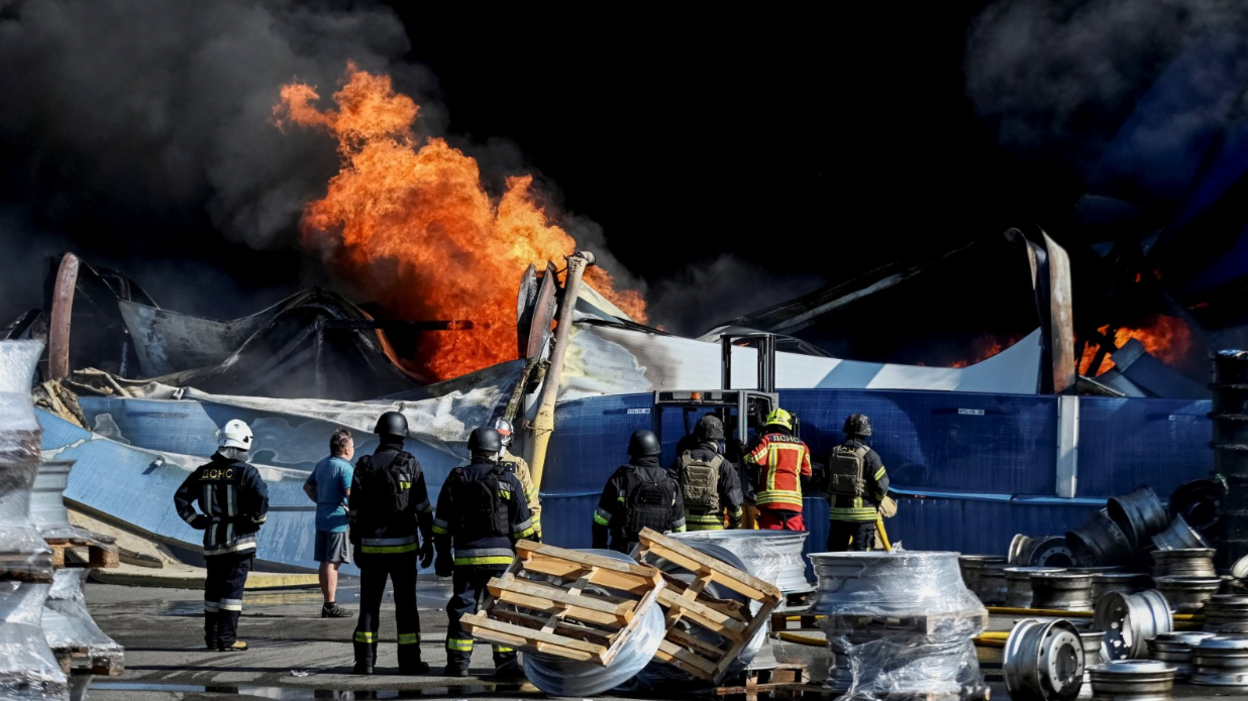
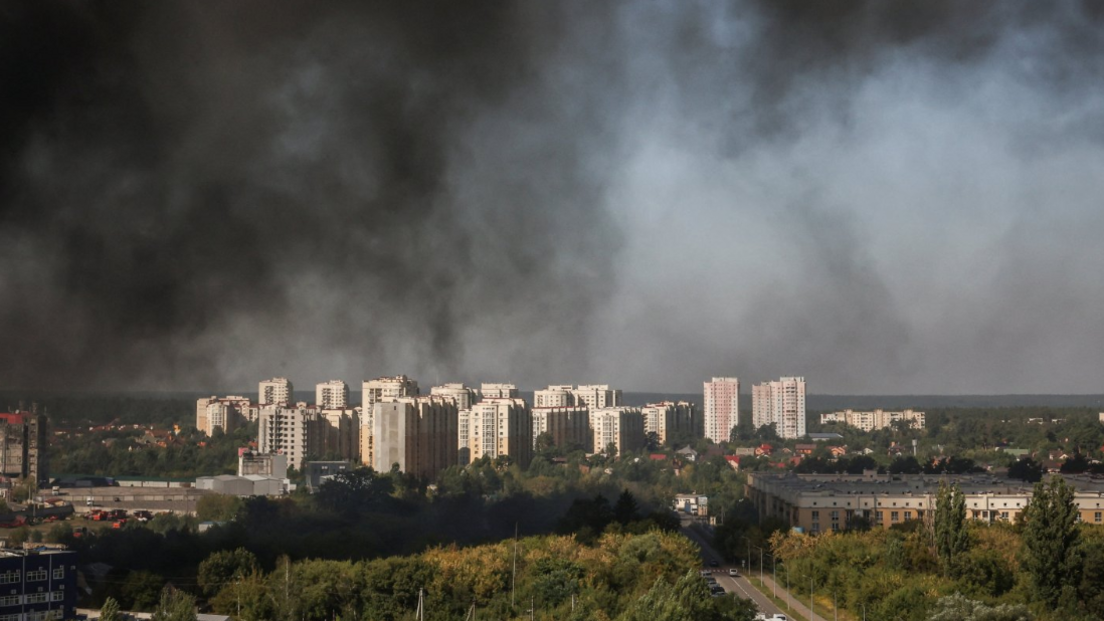
In el‑Obeid, a town of 500,000 on the Sudan front, 27‑year‑old Sarah – a university student – survived a surprise drone strike that lit up a fuel station and left her with shrapnel wounds. The attack, one of 27 recorded in June, is part of a new pattern of bombing that has crippled routines and killed civilians.
According to a violence‑monitoring group, the city has been hit the most in the three‑year conflict. Across the month, 27 missiles struck. The United Nations says at least 45 people were killed and 41 injured in the 15 blows that month. The army cannot stop the drones, and its forces have had to defend the city’s supply corridor against the Rapid Support Forces from the west.
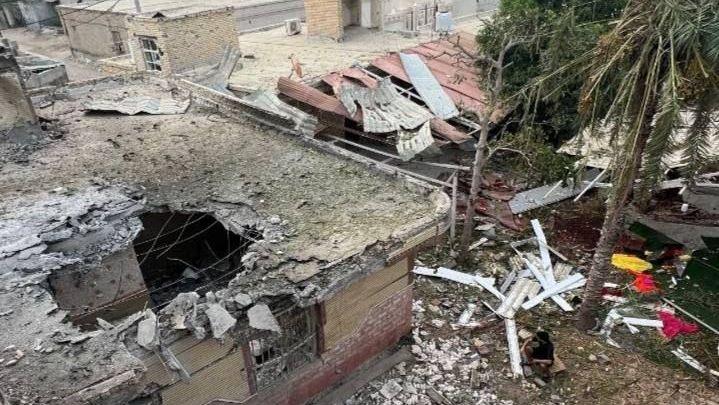
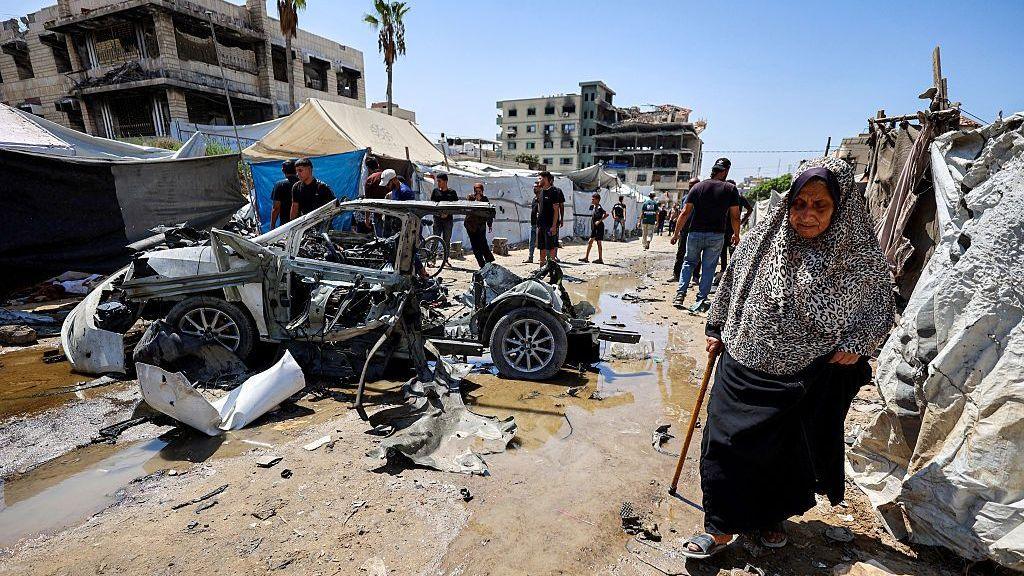
Fuel supplies are being hit – eight stations were damaged, and prices are rising sharply. Damage to the main electrical substation and residential areas cuts power, worsening water supply and exposing civilians to contamination. Hospitals are overwhelmed; doctors report most casualties come from limb injuries, and a child whose hand was amputated still passed away.
The Rapid Support Forces say they are fighting to protect residents and obey international law, but observers fear a wider escalation could be imminent, as seen in the siege of el‑Fasher where hundreds died. New temporary shelters are rising for displaced people, yet the constant drone noise keeps many awake at night.