In brief
Diplomatic talks in the Middle East over a potential ceasefire in Gaza are stalling as key stakeholders await the outcome of the impending U.S. presidential election.
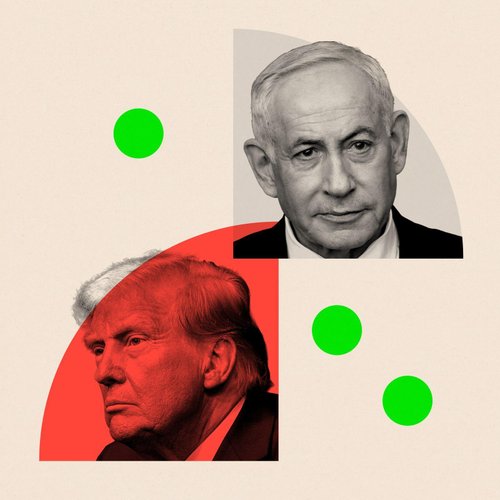
As the Biden administration ramps up its diplomatic efforts in the Middle East ahead of the U.S. presidential election next week, analysts are forecasting minimal progress in achieving a ceasefire in Gaza. Renewed discussions involving envoys from Israel, Egypt, the United States, and Qatar took place in Doha on Monday, but expectations remain low for a conclusive agreement.According to insiders acquainted with Israel's political dynamics, Prime Minister Benjamin Netanyahu is biding his time, refraining from committing to a ceasefire until the election results are in. This cautious approach is influenced by the composition of his coalition, which includes far-right lawmakers eager to maintain hardline strategies against Hamas in Gaza.Despite diplomatic overtures, Hamas officials have rejected proposals for temporary ceasefires, including a recent 48-hour plan suggested by Egypt. Osama Hamdan, a prominent Hamas leader, insisted that the group would only entertain a permanent end to hostilities, leaving little room for compromise. This position appears unchanged in the wake of Israel's recent military actions, which include the targeted killing of Hamas leader Yahya Sinwar, suggesting no immediate shift in leverage.Netanyahu has indicated a preference for a temporary arrangement that allows Israeli forces to continue their operations against Hamas, demonstrating a balancing act influenced by anticipated shifts in U.S. leadership. The outcome of the election, determining whether Vice President Kamala Harris or Donald Trump resumes the presidency, is pivotal for Netanyahu, especially considering the implications for U.S. support.As tensions remain high and negotiations falter, the international community watches closely, hoping for a breakthrough that seems increasingly distant in the lead-up to the election.