In brief
In Spain, dissatisfaction with tourism has surged beyond the summer peak, prompting protests in major cities like San Sebastian and Seville. Locals argue that the tourism economy is disrupting their quality of life, with rising housing costs and community disintegration becoming pressing issues.
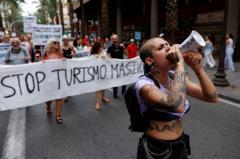
In recent weeks, Spanish locals have voiced their growing frustrations with over-tourism, as protests emerge even during the off-peak winter season. Under the rallying cry of "We are in danger; degrow tourism!", activists in cities like San Sebastian are mobilizing against the influx of holiday-makers seeking winter sun. The Canary Islands have seen significant turnouts for demonstrations, with thousands participating in recent protests.This year has marked a turning point in public sentiment towards tourism in Spain, mirrored by similar reactions throughout Europe. The post-COVID recovery has led to record-breaking tourist numbers, with expectations projecting over 90 million visitors in Spain alone by year-end. This surge has contributed to a forecasted rise to 115 million arrivals by 2040, significantly outpacing current tourism leader France.Protests initiated in April in the Canary Islands have highlighted a range of grievances. A poignant example involved six protesters undertaking a hunger strike in Tenerife against unsustainable tourism developments, signaling the depth of local concern. This unrest is not an isolated incident; locals across popular destinations such as Barcelona and the Balearic Islands have expressed their frustrations too. Many protesters have resorted to dramatic protests such as squirting water pistols at tourists and demanding that they "go home."The organizers of the San Sebastian protest, Bizilagunekin, argue that the economic dependency on tourism is suffocating local communities. They contend that as cities cater increasingly to transient visitors, essential services become repurposed, undermining the residents' quality of life. Asier Basurto, a local activist, summarizes this feeling: "If we have a model whereby people just visit for five days and then leave, then it becomes a soulless theme park."Furthermore, the knock-on effects of tourism have exacerbated Spain's broader housing crisis. The central bank has reported alarming statistics, noting nearly half of renting families are facing threats of poverty or exclusion. Despite these concerns, tourism remains a cornerstone of Spain's economy, contributing 13% of GDP and providing millions of jobs, leaving many defenders of the industry pushing back against the protests.Protests are not always peaceful, and incidents have been reported where the anger towards tourists has escalated, prompting political figures to defend tourists' rights to enjoy their holidays free from hostility. For example, the head of tourism in the Canary Islands emphasized the need for a respectful relationship between locals and tourists.As winter approaches, concerns grow particularly in the Canary Islands, which brace for continued tourist influx. Local leaders, fearing "tourism-phobia" may escalate due to legitimate grievances, highlight the urgent need to strike a balance. In response, measures are being implemented, such as banning short-term rentals in Barcelona by 2028 and limiting cruise arrivals in Palma.Although efforts to manage tourism impacts are underway, Basurto insists that protests must persist. "Those who advocate tourism can no longer say that everything is rosy," he warns, underscoring the urgency for change before it becomes too late, reflecting a sentiment shared by many across Spain's popular tourist destinations.