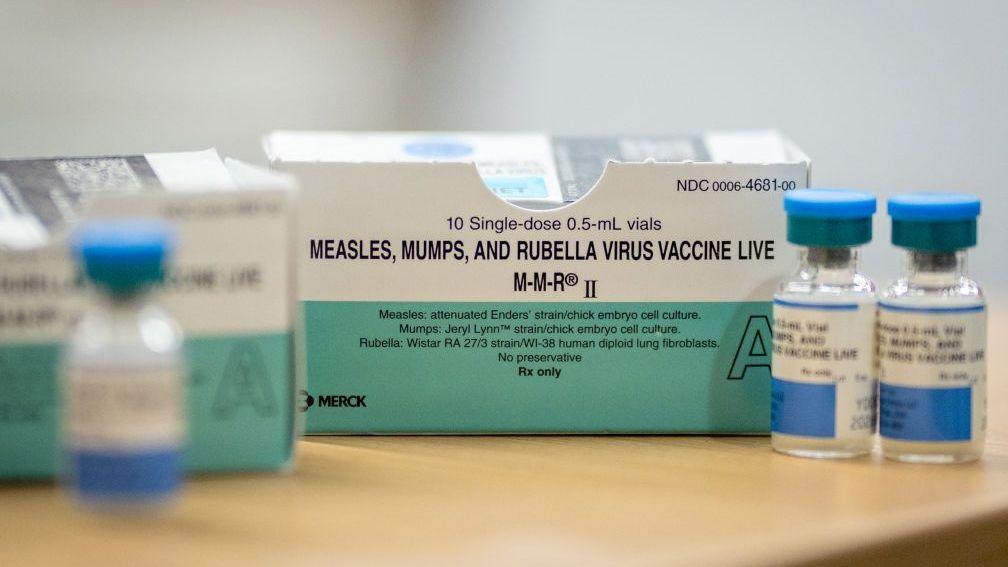
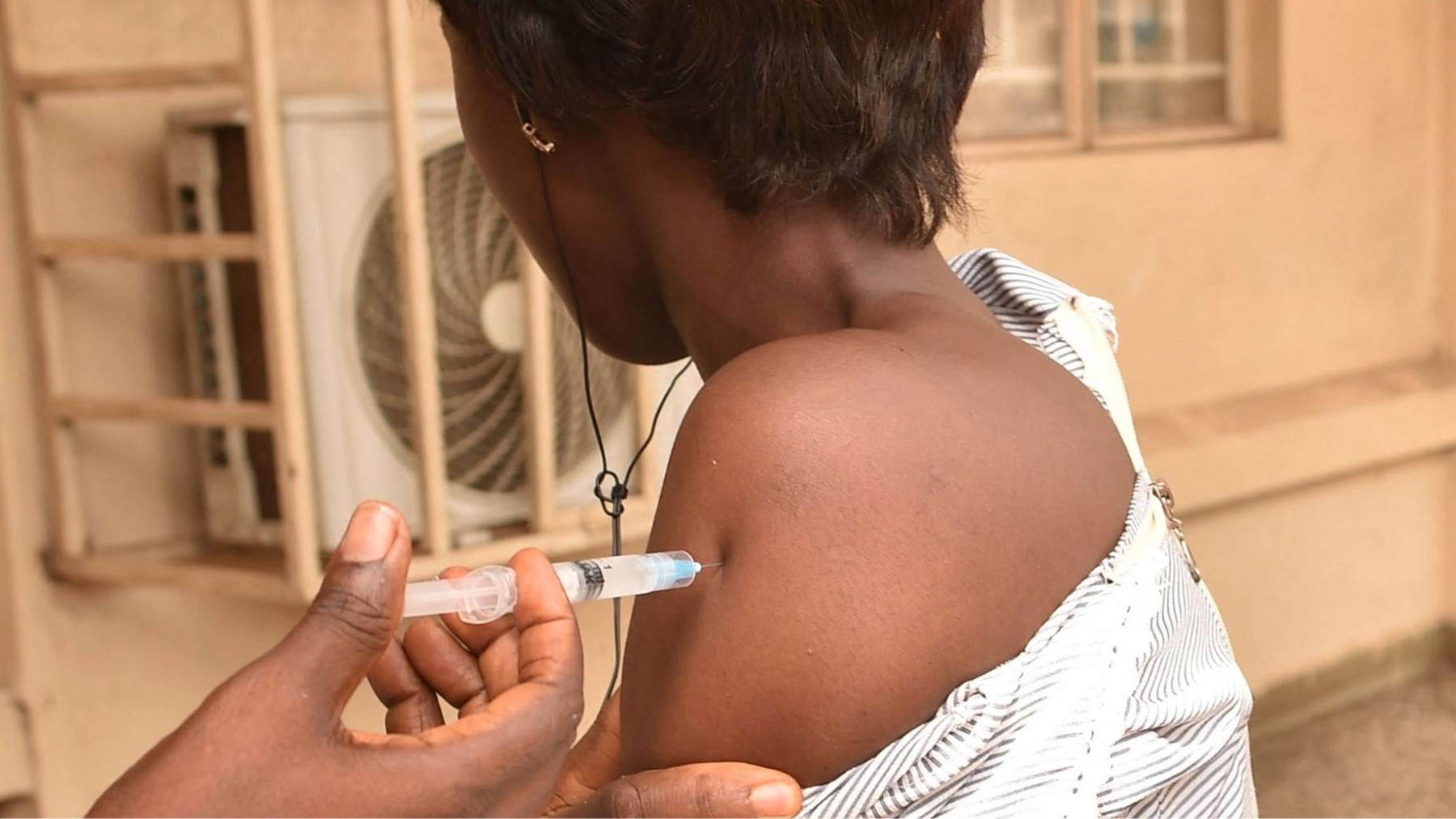
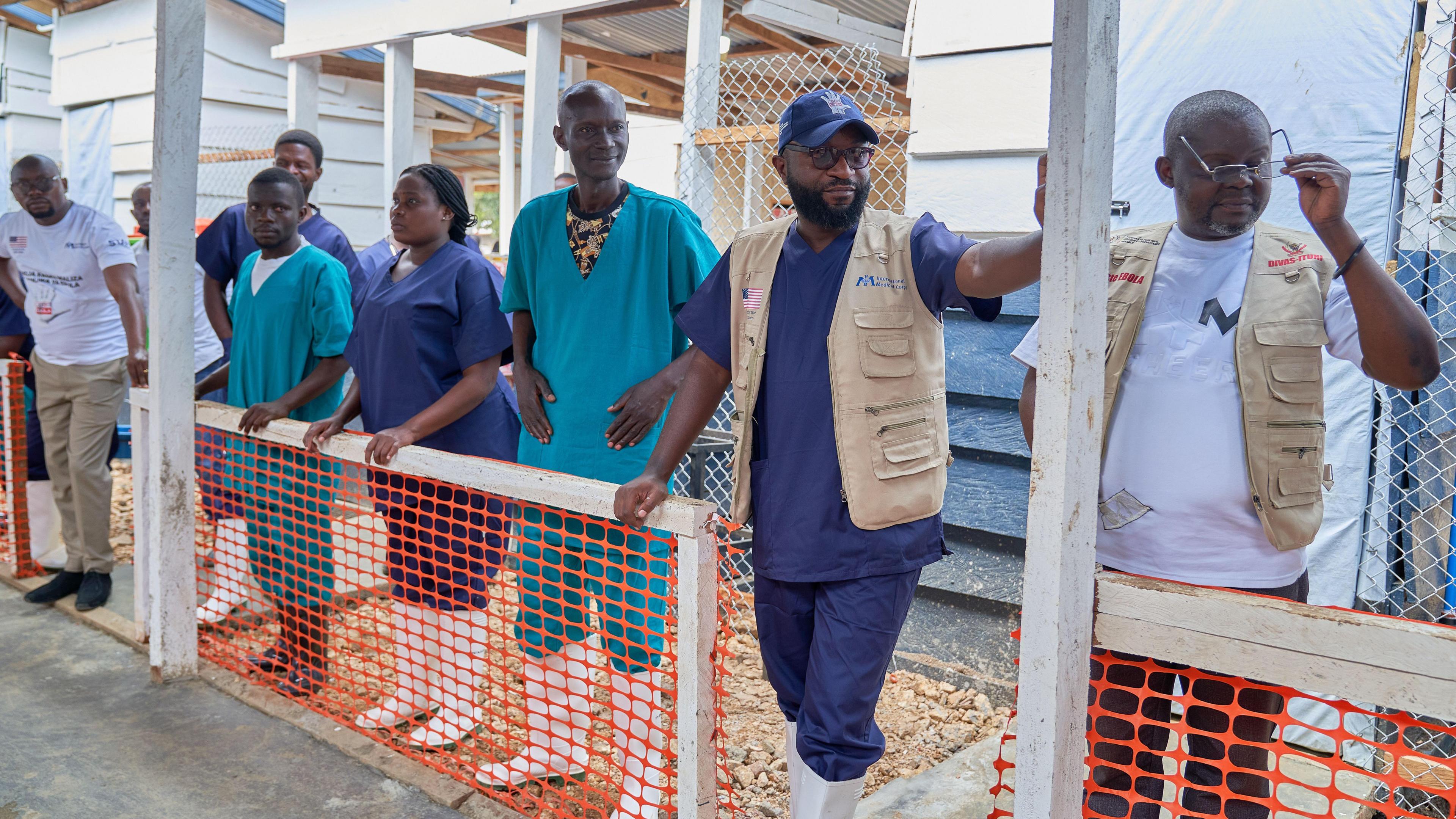
In a significant development for public health, Nigeria is set to receive critical leprosy drugs for the first time in a year, as announced by the World Health Organization (WHO). This update brings optimism to countless individuals affected by the disease, which sees over 2,000 newly reported cases annually in the country. The shortage of medications was exacerbated by newly introduced regulations that inadvertently disrupted supply chains.
This Sunday, the WHO expects to facilitate the delivery of the much-needed drugs from India following a request for Nigeria to temporarily ease its testing policies. Leprosy, a treatable ailment when addressed with a mixture of antibiotics, can lead to severe complications such as sores and nerve damage if left untreated, heightening the risk of deformities and ongoing transmission within communities.
Dr. Samimu Msheliza, a public health specialist and medical advisor from the Leprosy Mission's Nigerian office, emphasized the immediate need for these medications. "Thousands of newly diagnosed leprosy patients in various cities are eagerly waiting for this drug," he stated. “The sooner we receive the medications, the better, as these individuals are not being treated, leading to ongoing disease transmission.”
Among those affected, a patient recounted her deteriorating condition after failing to secure the necessary treatment. Awwal Musa, from Nasarawa state, reported that her symptoms have worsened immensely, with severe pain and infected wounds. The risk of permanent nerve damage looms large.
The Nigerian Drug Authority's decision to implement stricter regulations against counterfeit and substandard drugs in recent years has unintentionally contributed to the lack of availability of crucial treatments like those for leprosy. While these regulations were essential for ensuring quality, public health advocates argue that a balance must be struck to sustain access to critical medications.
This situation highlights the broader challenges faced by healthcare systems in delivering essential treatments, reinforcing the need for ongoing dialogues and policy adjustments to safeguard patient welfare while maintaining drug safety.